


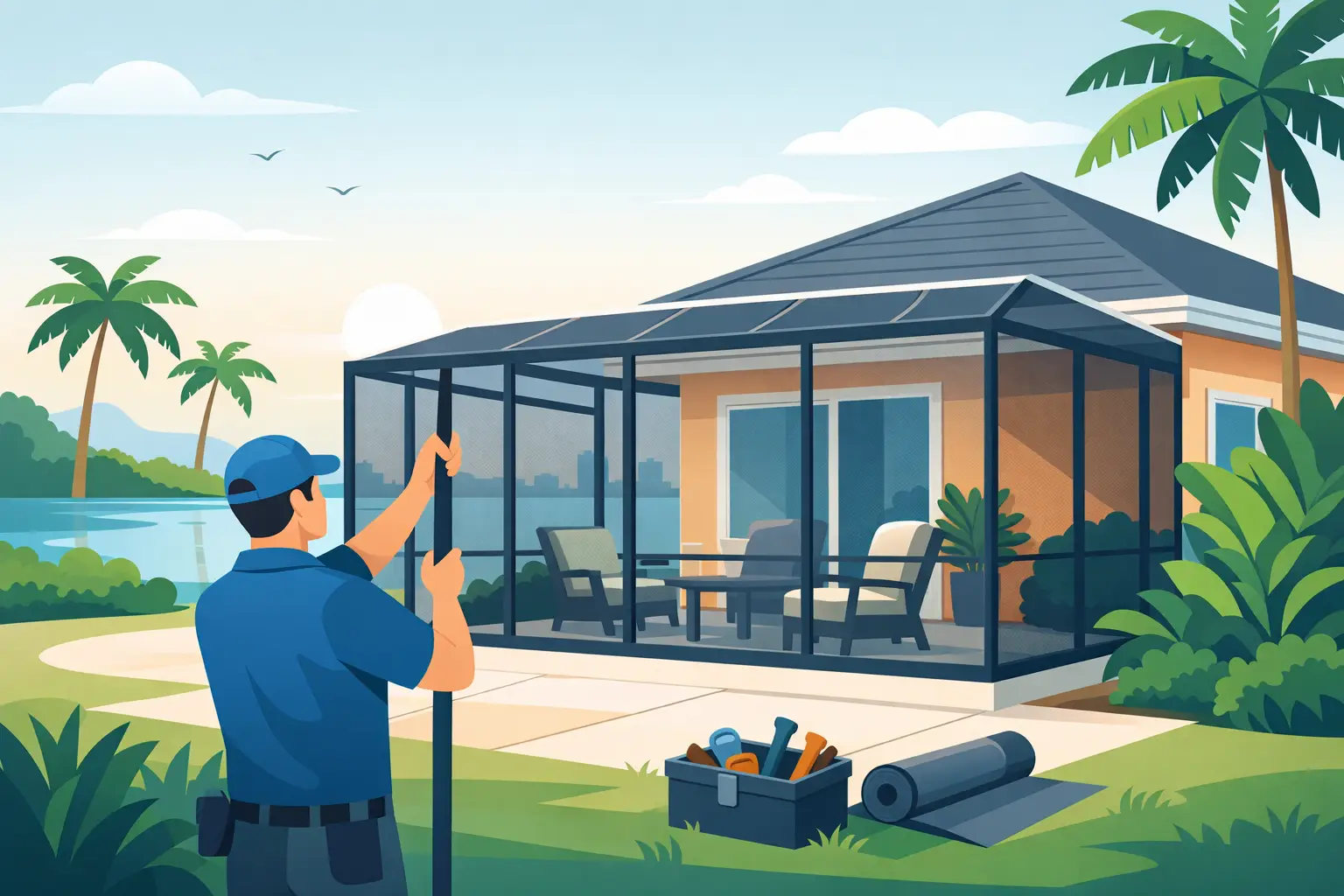
A backyard in Florida can be perfect at 8 a.m. and unbearable by 2 p.m. The sun shifts, the bugs come out, and a patio that looked like extra living space starts feeling wasted. That is usually when homeowners start searching for screen room installation near me and asking the right question: how do you build a space that actually works in this climate?
A well-built screen room gives you more than shade and bug protection. It turns an underused patio or slab into a comfortable, usable extension of the home. For Florida property owners, that added space matters because outdoor living is not a bonus here – it is part of how people use their homes year-round.
Why screen room installation near me matters in Florida
Not every screen room is built for the same environment. In Florida, the details matter more because the conditions are harder. Heat, humidity, wind, salt exposure, and seasonal storms all put pressure on materials and installation quality.
That is why local experience should carry real weight when comparing contractors. A company that understands coastal construction is more likely to recommend the right framing, anchoring, screen products, and design approach for your property. What works in a milder inland market may not hold up the same way near the coast.
There is also the issue of code compliance and permitting. A professionally installed screen room should be designed with local requirements in mind, not treated like a simple add-on. That protects you during the project and helps avoid expensive corrections later.
What a good screen room should actually do
A screen room needs to fit the way you live. Some homeowners want a quiet place for morning coffee. Others need a larger gathering area that can handle family dinners, weekend guests, or regular pool access. Commercial property owners may be thinking about tenant appeal, reduced maintenance, or a more functional outdoor amenity.
The best screen room projects solve several problems at once. They create shade, reduce insect intrusion, improve comfort, and make the outdoor footprint of the property more useful. In many cases, they also improve the look of the home by giving the patio or lanai a more finished, intentional appearance.
But there are trade-offs. A standard screened enclosure can improve airflow and comfort, but it will not provide the same weather protection as a sunroom or enclosed patio with impact-rated components. If your goal is maximum climate control, a screen room may not be the final answer. If your goal is breathable outdoor living with better everyday use, it often is.
How to evaluate screen room installation near me
When you start comparing local companies, the lowest number on a quote should not be the deciding factor. A screen room is only as strong as its design, materials, and installation. If one contractor is cutting corners on aluminum quality, fasteners, engineering, or labor, the savings can disappear fast.
Ask how the structure will be anchored. Ask what type of screening is being used and whether there are options based on privacy, visibility, pet resistance, or solar performance. Ask how the contractor handles permits, site conditions, and drainage concerns. These are not minor details. They affect how the structure performs over time.
Experience with Florida homes also matters because no two properties are identical. One patio may need a simple enclosure tied into an existing slab and roofline. Another may require more structural planning because of elevation, layout, or exposure to wind. A seasoned installer should be able to explain what fits your home and why.
Questions worth asking before you sign
A reliable contractor should be comfortable answering direct questions. How long have they been installing outdoor structures in Florida? Are the installers trained and experienced with local code requirements? What materials are being used for the frame and screen system? What kind of service can you expect after installation if repairs or adjustments are needed?
You are not just buying a product. You are choosing a company that will be responsible for measuring, designing, permitting, installing, and standing behind the finished work. Confidence should come from clear answers, not sales pressure.
Material quality makes a bigger difference than most homeowners expect
A screen room may look simple from a distance, but performance comes down to components. Aluminum framing should be suited to the environment and installed with precision. Screen material should be selected for the intended use of the space. Hardware and fasteners should be able to handle moisture exposure and coastal conditions.
In Florida, material shortcuts show up quickly. Frames can weaken, screens can loosen, and corrosion can become a problem if the wrong components are used. A professional contractor should guide you toward products that are designed for durability, not just first-year appearance.
This is one reason property owners often prefer a full-service company instead of trying to piece together design, materials, and labor from multiple sources. Better coordination usually leads to a better fit, cleaner installation, and fewer issues after the project is complete.
Design choices that affect comfort and value
The size and shape of the enclosure matter, but so does how the space connects to the rest of the property. A screen room should feel integrated with the home, not attached as an afterthought. Roofline transitions, door placement, traffic flow, and views all affect how often the space gets used.
If your patio faces strong afternoon sun, the design may need to account for heat gain and glare. If the enclosure connects to a pool area, access and moisture considerations become more important. If the property is near the water, durability and corrosion resistance should move higher on the priority list.
There is also a value component. A well-designed screen room can improve curb appeal and make the property more attractive to future buyers or renters. It creates a usable feature people can understand right away. Poor design does the opposite. It can make the exterior feel cluttered or temporary.
Screen room or sunroom?
This is a common point of confusion. A screen room is best when you want protection from insects and some relief from sun exposure while still enjoying an open-air environment. A sunroom offers more enclosure and weather separation but comes with a different budget, construction scope, and use case.
Neither option is automatically better. It depends on how you want to use the space, how much protection you need, and what your property can support. A good contractor should help you compare options honestly instead of pushing one format for every home.
What installation should feel like
A professional project should start with a site visit and a clear conversation about goals, layout, and budget. Measurements should be precise. The proposal should explain what is included, what materials are being used, and what the timeline may look like. If permitting is required, that process should be handled in an organized way.
During installation, the work should be structured and clean. Homeowners should know who is on site, what stage the project is in, and what comes next. Once the screen room is complete, the final product should look finished, aligned, and secure – not patched together.
That level of execution is one reason many Treasure Coast homeowners look for established local contractors with a long track record. Companies like Jensen Beach Aluminum & Windows understand that outdoor structures in this region are not cosmetic extras. They are part of how a property performs, protects, and lives over time.
The local advantage is real
Typing screen room installation near me into a search bar is easy. Choosing the right contractor takes a little more work. The advantage of staying local is not just proximity. It is accountability, regional product knowledge, and familiarity with the conditions your property faces every season.
A local company is more likely to understand neighborhood permitting patterns, storm exposure, salt-air wear, and the practical needs of Florida homeowners. That can lead to better recommendations from the start and fewer surprises during construction.
It also matters after the job is done. If a screen panel needs service, if you want to expand the enclosure later, or if another exterior improvement is on your list, an established local contractor is in a better position to support you long term.
A screen room should make your property easier to enjoy, not harder to maintain. If you are comparing options now, focus on craftsmanship, local experience, and materials built for Florida. The right project does more than close in a patio. It gives you a space you will actually use, season after season.