


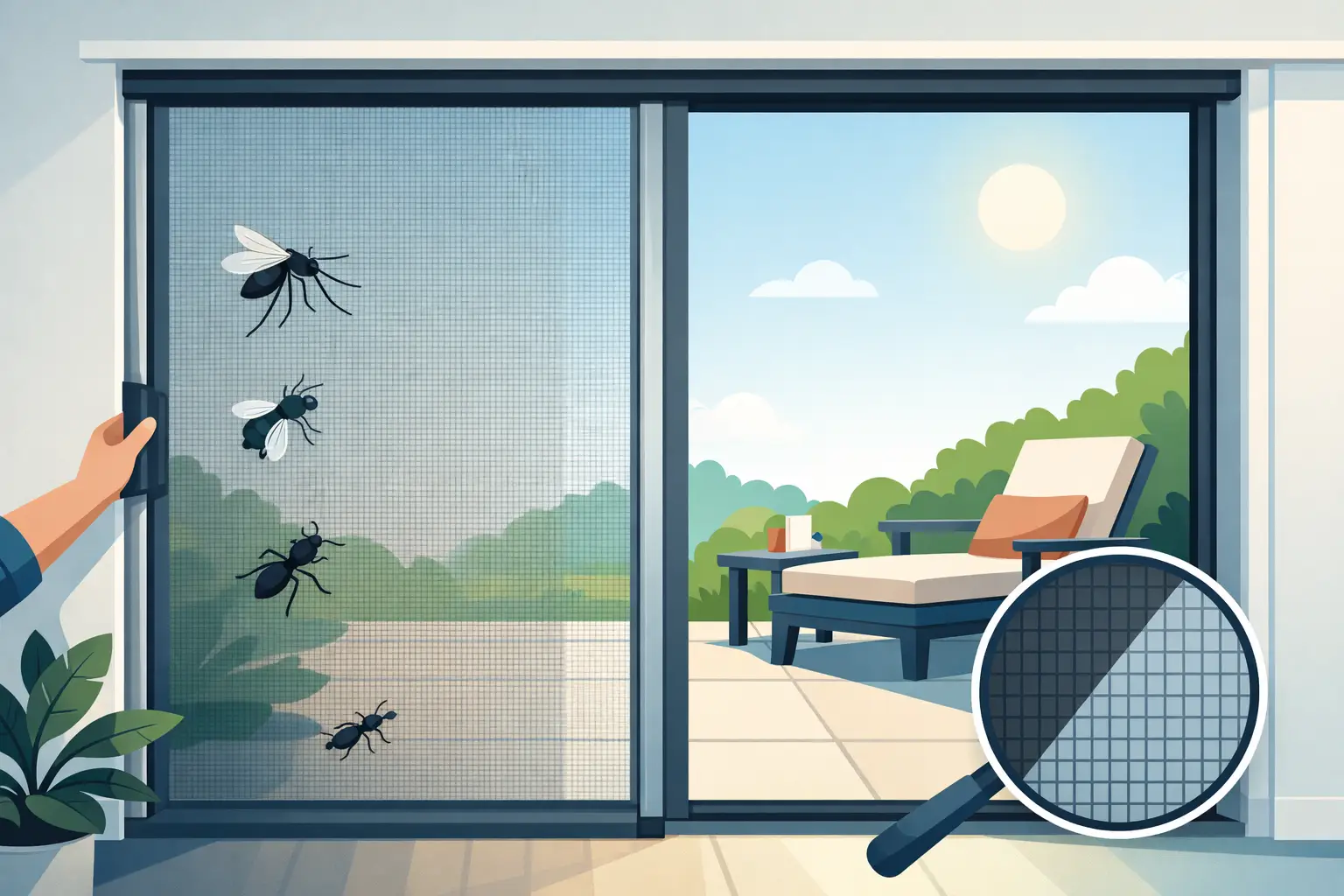
You notice it fastest around dusk. The air is still good, the view is open, and then the mosquitoes show up. That is usually when homeowners start asking, can retractable screens block bugs well enough to make a patio, lanai, garage opening, or large doorway comfortable to use every day? The short answer is yes, but the real answer depends on screen mesh, fit, opening size, and how professionally the system is installed.
For Florida properties, that distinction matters. A retractable screen is not just a convenience feature. In many homes and commercial spaces, it is what makes an outdoor living area usable without giving up airflow, natural light, or the flexibility of an open view. When it is chosen and installed correctly, it can do an excellent job of reducing flying insects while still keeping the space functional and attractive.
Can Retractable Screens Block Bugs Effectively?
Yes, retractable screens can block bugs effectively, but they are only as good as their design and installation. The mesh itself is built to create a physical barrier, and for common nuisance insects like mosquitoes, flies, gnats, and no-see-ums, that barrier can make a major difference. The goal is simple – limit entry points while preserving ventilation.
That said, not every retractable screen system performs at the same level. A high-quality unit with properly tensioned mesh, secure side tracks, and a tight bottom seal will do much more than a lower-grade product with loose edges or alignment issues. Tiny gaps around the perimeter can be enough for insects to get through, especially in coastal Florida where smaller biting insects can be persistent.
This is why homeowners sometimes have mixed opinions about retractable screens. One person has a system that works well for years. Another says bugs still get in. In many cases, the difference is not the idea of a retractable screen itself. It is the product quality and the precision of the installation.
What Actually Determines Bug Protection?
The first factor is mesh type. Standard mesh can stop larger insects, but smaller pests may require a tighter weave. If your property is near water, landscaping, or other mosquito-prone areas, this becomes even more important. In some settings, a finer mesh offers better insect control, though there can be a trade-off with slightly reduced airflow and visibility.
The second factor is fit. Retractable screens move, so their tracks, housing, and pull bar need to stay aligned. If the screen does not close cleanly into the opening, insects will find the weak spots. Large spans, oversized patio openings, and frequent use all put more pressure on the system, which is why durable components matter.
Wind exposure is another issue, especially in coastal communities. Strong breezes can affect how the mesh sits in the tracks or how tightly the opening is sealed. A well-built retractable screen is designed to handle regular use and environmental stress better than a basic off-the-shelf option.
Finally, maintenance matters. Dirt in the tracks, worn weather stripping, and neglected repairs can reduce performance over time. Even a premium screen needs occasional attention to keep doing its job.
Why gaps matter more than most people think
When homeowners ask whether retractable screens block bugs, they often focus only on the mesh. The mesh is important, but the perimeter is just as critical. Insects do not need much room. If the side channels are not snug or the bottom edge does not sit properly, the screen may still let pests in around the edges.
This is one reason professional measuring and installation matter so much. Custom openings are rarely perfectly square, especially in older homes or retrofitted outdoor spaces. A screen system has to be fitted to the actual opening, not an idealized set of dimensions.
Where Retractable Screens Work Best
Retractable screens are especially useful in spaces where you want flexibility. Large patio openings, covered lanais, French doors, front entries, garages, and outdoor dining or seating areas are common applications. In these settings, the biggest advantage is that the screen can disappear when you do not need it.
That flexibility appeals to Florida property owners because outdoor living is part of daily life. You may want open access and an unobstructed view in the morning, then insect protection in the evening. A fixed screen cannot always offer that balance.
For businesses or managed properties, retractable screens can also help create more comfortable shared spaces without making the structure feel permanently closed in. The result is better usability and a more polished appearance.
When Retractable Screens May Not Be Enough on Their Own
There are cases where bug control needs more than just a screen. If your property has standing water nearby, dense vegetation against the structure, damaged door sweeps, or open roofline gaps, insects may still be an issue even with quality screens in place. The screen solves one part of the problem, but not all of it.
This is especially true with very small insects. Some fine-mesh screen options improve performance, but if your area deals with frequent no-see-ums or similar pests, product selection becomes more specialized. You may need to prioritize insect control over the absolute clearest outward view.
Retractable screens are also not a substitute for hurricane protection. In Florida, it is important to keep that distinction clear. They are excellent for comfort, airflow, and insect reduction, but they are not designed to replace storm-rated shutters, impact products, or other protective systems.
Fixed screens vs. retractable screens for bug control
If the only goal is permanent insect blocking, a fixed screen enclosure may offer more consistent coverage because it does not move and can be tightly integrated into the structure. But that does not automatically make it the better choice. Many property owners prefer retractable screens because they preserve openness and appearance.
The decision often comes down to how you use the space. If you want full-time enclosure, a fixed system may make more sense. If you want the option to open and close the area as needed, retractable screens can be the better fit while still providing strong bug protection.
Why Professional Installation Makes a Difference
A retractable screen is a moving system, not just a panel of mesh. It has tracks, tension, mounting points, and operating components that all need to work together. In coastal environments, that system also needs to stand up to humidity, salt air, and regular use.
Poor installation can lead to dragging, uneven closure, loose edges, and premature wear. Those are not just convenience problems. They directly affect how well the screen blocks insects. A misaligned screen may still look acceptable at first glance, but if it does not seal correctly, bugs will find their way through.
That is why working with skilled professionals matters. An experienced installer can evaluate the opening, recommend the right mesh and configuration, and make sure the finished product performs as intended. For homeowners along the Treasure Coast, that local knowledge is valuable. Coastal conditions are not a minor detail. They shape how exterior products hold up over time.
At Jensen Beach Aluminum & Windows, that practical focus is central to the job. Customers are not just buying a screen. They are investing in a more usable, better-protected living space that needs to perform reliably in Florida conditions.
How to Get Better Results From Retractable Screens
If bug control is your priority, be clear about that from the beginning. Ask about mesh options, especially if small insects are common in your area. Make sure the opening is measured precisely and that the system is designed for the span, exposure, and frequency of use.
It also helps to think beyond the screen itself. If outdoor lighting attracts insects, or if landscaping sits too close to the opening, those issues can affect your results. Good screen performance works best as part of a broader approach to making the space comfortable.
Regular cleaning also helps more than many people expect. Tracks should stay free of debris, and the screen should be checked for wear before small issues turn into bigger ones. A well-maintained system is more likely to keep operating smoothly and sealing properly.
The Real Answer for Florida Property Owners
So, can retractable screens block bugs? In most cases, yes, and very effectively when they are built well, fitted correctly, and matched to the insect pressure around your property. They will not create a perfectly sealed laboratory environment, and they are not the right answer for every opening or every pest challenge. But for many Florida homes and commercial spaces, they offer a strong balance of protection, airflow, flexibility, and appearance.
If you want to enjoy more of your patio, lanai, garage, or outdoor living area without turning every evening into a battle with mosquitoes, retractable screens are worth a serious look. The best results come from treating them like a long-term exterior upgrade, not a quick add-on. When the product and installation are done right, the difference is easy to feel the first time you sit outside and the bugs stay where they belong.
1 comment on “Can Retractable Screens Block Bugs Well?”