


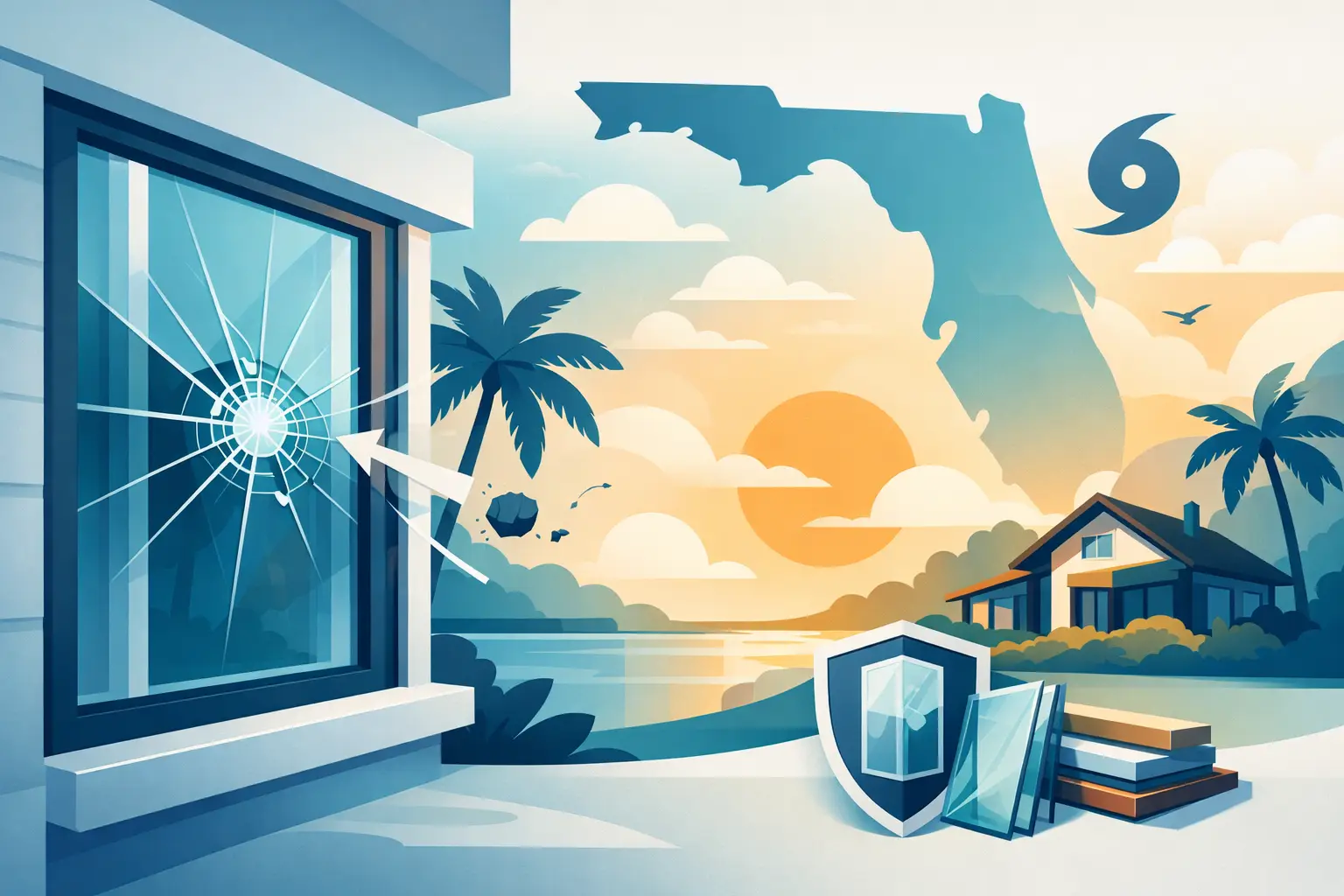
A window can look great in the showroom and still be the wrong choice for a Florida property. If you are trying to figure out how to choose impact windows, the real question is not just which style looks best. It is which product will protect your home or building when coastal weather, heat, salt air, and wind pressure all show up at once.
That is where many property owners get stuck. They compare prices, glance at brochures, and assume impact-rated means every option performs the same. It does not. The right selection comes down to code compliance, product quality, installation standards, energy performance, and how well the window fits the specific demands of your property.
Start with your property, not the catalog
The best way to choose impact windows is to begin with the building itself. A single-family home near the water may need a different solution than an inland rental property or a low-rise commercial building. Exposure matters. Age matters. Opening size matters. Even the direction your windows face can affect heat gain, water intrusion risk, and design pressure needs.
In Florida, this is especially important because storm protection is not one-size-fits-all. A large picture window facing open wind exposure may require a different performance level than a smaller bedroom window on a more protected elevation. If you start by picking a frame style before evaluating the structure, you can end up with a product that looks right but underperforms where it counts.
A qualified contractor should assess the building envelope, opening conditions, and local code requirements before recommending options. That approach usually leads to better long-term value than simply choosing the lowest number on an estimate.
How to choose impact windows by performance rating
If you want to know how to choose impact windows with confidence, pay close attention to the ratings behind the glass. This is where product brochures stop being marketing material and start becoming useful.
Impact windows should meet Florida code requirements and carry the appropriate approvals for the area where they will be installed. You also want to review design pressure ratings, which indicate how much wind load a window can withstand. Higher numbers are not automatically better in every case, but the rating should match the demands of the opening and the structure.
Large missile impact resistance is another key factor in hurricane-prone regions. This standard is designed to show that the glass and frame can withstand debris impact and still maintain the protective envelope of the building. That matters not only during a storm, but also afterward, when preventing sudden internal pressurization can help reduce structural damage.
Beyond impact resistance, look at air infiltration, water resistance, and structural performance. A window that passes impact testing but allows excessive air or water intrusion can still become a source of ongoing frustration. The strongest choice is a product that performs well across all of those categories.
Frame material changes the long-term experience
Frame material affects more than appearance. It plays a major role in maintenance, durability, strength, and how the window holds up in Florida conditions.
Aluminum remains a strong option for many coastal properties because it is durable, stable, and well suited for larger openings. It offers a clean look and can perform very well when paired with quality engineering and proper finishes. The trade-off is that not all aluminum products are equal, and lower-grade systems may not deliver the energy efficiency some homeowners expect.
Vinyl is often chosen for its energy performance and low maintenance. It can be a smart choice for many residential applications, especially where thermal performance is a top priority. The main consideration is product quality. In harsh sun and coastal conditions, a poorly made vinyl frame may not age as well as a premium system.
The right answer depends on the property and the project goals. If storm strength is the top concern, if you have oversized openings, or if the building has a modern coastal design, one frame material may stand out. If energy savings and everyday comfort are your focus, another may be more appealing. The important part is matching the material to the environment rather than following a trend.
Glass options matter more than many buyers realize
Impact glass is laminated, but that does not mean every glass package is identical. The interlayer, glass thickness, coatings, and tint options all affect performance.
For most Florida property owners, solar heat gain is a major consideration. Low-E coatings can help reduce heat transfer and improve indoor comfort, especially in rooms with heavy sun exposure. That can also ease strain on the HVAC system. Depending on the orientation of your home and the amount of direct sun, the right glass package can make a noticeable difference in monthly energy costs.
Visible light transmission matters too. Some homeowners want maximum daylight, while others prefer a bit more tint to cut glare. There is usually a balance to strike between brightness, privacy, and energy control. A darker glass option may help in one area of the house but feel too shaded in another.
Noise reduction is another overlooked benefit. Laminated impact glass can help reduce outside noise, which is valuable near busy roads, commercial corridors, or coastal areas with heavy seasonal activity. For many owners, that daily comfort becomes just as important as storm protection.
Style should support function
There is nothing wrong with caring about appearance. Impact windows are a major visual element, and they should complement the architecture of the property. But style should work with function, not compete with it.
Single-hung, horizontal roller, casement, picture, and architectural shapes all have different strengths. Casement windows can offer excellent sealing and ventilation, but they may not suit every elevation or maintenance preference. Single-hung windows are common and practical, but the best choice depends on opening size, operation, and the look you want to achieve.
For replacement projects, sightlines and frame dimensions also matter. Some impact window systems have bulkier frames than others. That can affect natural light and exterior appearance. A product that looks good in a sample may change the visual proportion of an older home if it is not selected carefully.
This is one reason experienced guidance matters. Good design choices take into account both curb appeal and real-world performance.
Installation is not a side issue
A premium product installed poorly can still fail. That is why installation should carry as much weight in the decision as the window brand itself.
Proper anchoring, sealant use, waterproofing details, and compliance with manufacturer specifications are all critical. So is understanding the substrate the window is being attached to, whether that is concrete block, wood framing, or another condition. Small installation mistakes can lead to water intrusion, operational issues, and reduced storm performance.
This is not the place to cut corners. Skilled professionals who understand Florida codes and coastal construction practices bring real value to the project. They help ensure the installed system performs the way it was tested and approved to perform.
When comparing quotes, ask what is included. Some proposals look attractive at first because they leave out important scope items such as permit handling, disposal, trim work, or repair of surrounding finishes. A detailed proposal is usually a better sign than a rushed one.
Think beyond the upfront number
Price matters, but the cheapest option can become the most expensive over time. When comparing impact windows, look at the full value of the investment.
A higher-quality system may offer better durability, stronger warranties, improved energy efficiency, and less maintenance over the years. It may also add more confidence during storm season and more appeal if you sell the property later. On the other hand, not every project requires the most premium configuration available. Sometimes the smart choice is the one that meets performance needs without paying for features you do not actually need.
That is where an honest consultation makes a difference. The best recommendations account for your budget, building type, exposure, and long-term plans for the property.
For homeowners and property managers on the Treasure Coast, working with an established local company like Jensen Beach Aluminum & Windows can help simplify those decisions because regional experience often reveals details that generic advice misses.
Questions worth asking before you buy
Before signing a contract, ask whether the windows meet local approval requirements, what design pressures apply to your openings, what frame and glass options are available, and who will handle installation. Ask about lead times, warranty coverage, and what service looks like after the job is complete.
Those questions do more than protect your investment. They also tell you a lot about the company you are hiring. A contractor who answers clearly and thoroughly is usually better prepared to deliver a professional result.
Choosing impact windows is really about choosing protection, performance, and peace of mind that lasts long after the installation day is over. The right windows should do their job quietly for years, even when Florida weather is anything but quiet.
2 comments on “How to Choose Impact Windows in Florida”