


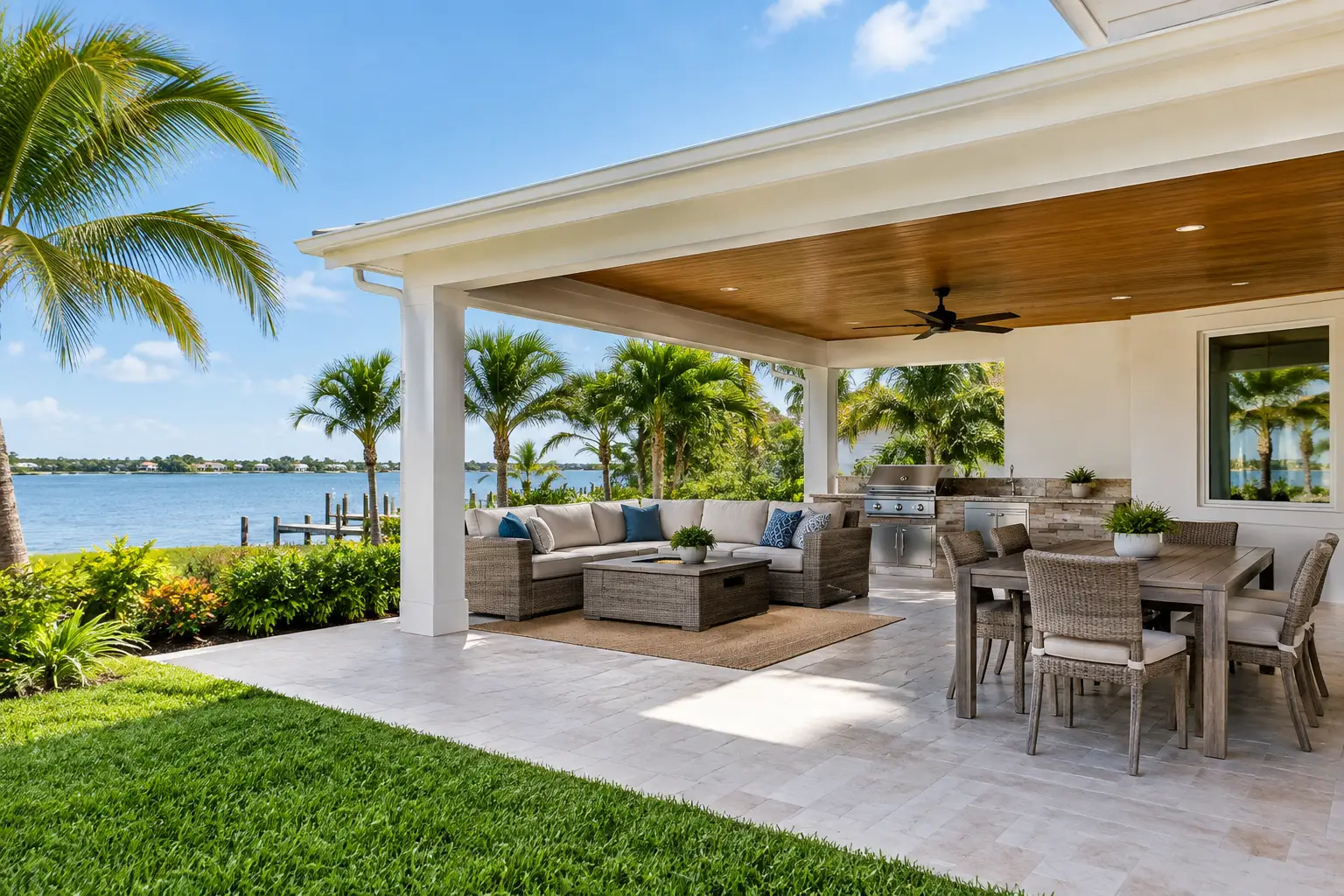
A Florida backyard can be inviting at 8 a.m. and too hot to enjoy by noon. Rain, humidity, wind, insects, and intense sun all limit how often a patio, pool deck, or entry area gets used. The right outdoor structures change that equation by adding shade, shelter, screening, and a more finished look to the property.
For homeowners and property managers along the Treasure Coast, the best choice is rarely just the structure that looks good in a brochure. It needs to suit the property, comply with applicable requirements, manage water properly, and stand up to coastal weather. A well-planned installation can create a comfortable outdoor room while supporting long-term durability and property value.
Start With How You Want to Use the Space
The strongest outdoor projects begin with a practical question: what should this area do for you? A covered seating area, a pool enclosure, a carport, and a sunroom may all improve a property, but they solve different problems.
A homeowner who wants relief from afternoon sun may be best served by an awning, pergola, or louvered roof system. Someone who wants to spend more time outdoors without mosquitoes may benefit more from a screened lanai or pool cage. For a property owner looking to protect vehicles, boats, equipment, or a commercial entrance, a carport or covered walkway can provide everyday utility.
It also helps to consider when the space is used. A west-facing patio has different shade needs than a front entry exposed to driving rain. A pool deck may need screens, clear sightlines, and enough clearance for furniture. A structure should fit the way people actually move through the property, not simply fill an open section of concrete.
Popular Outdoor Structures for Florida Properties
Florida properties benefit from outdoor additions that balance open-air living with meaningful protection. The right option depends on exposure, available space, budget, and the desired level of enclosure.
Pergolas and louvered roof systems
A pergola adds architectural interest and defined shade to patios, gardens, and pool areas. Traditional open-slat designs provide partial sun relief while keeping the setting airy. They can be an attractive option when the goal is to create a gathering area rather than a fully covered room.
Louvered roof systems offer more control. Adjustable louvers can provide shade during bright conditions and can be positioned to help manage light and light rain. This added flexibility makes them a strong choice for homeowners who use their patios throughout the year. The trade-off is that these systems generally require a larger investment and careful installation to perform as intended.
Awnings and covered patio systems
Awnings are a practical way to shade windows, doors, patios, and walkways. They can reduce direct sun exposure at key areas of the home while making outdoor seating more comfortable. Fixed aluminum awnings are particularly suited to property owners who want lasting coverage with limited maintenance.
A covered patio system can create a more substantial extension of the home. It is often a smart fit for outdoor dining, grilling areas, or seating spaces where dependable overhead shelter matters. Proper drainage, secure attachment, and the right roof design are essential. Water that is not directed away from the structure and foundation can create avoidable problems over time.
Screen enclosures, lanais, and pool cages
Screened outdoor areas are a familiar feature of Florida living for good reason. A pool cage or lanai enclosure helps keep out insects, leaves, and other debris while preserving fresh air and views. It can also make a patio or pool area feel more private and more usable on a daily basis.
Not every screen enclosure is built for the same conditions. Frame strength, screen type, anchoring, and layout should be selected with the property’s location in mind. Coastal homes and properties with wide-open exposure may need a different approach than a more protected inland lot. When an existing enclosure has torn mesh, corrosion, loose fasteners, or storm damage, a professional assessment can determine whether rescreening is sufficient or whether structural work is needed.
Sunrooms and enclosed living areas
A sunroom can bridge the gap between indoor comfort and outdoor views. It can add a protected area for relaxing, entertaining, or enjoying natural light without constant exposure to heat, wind, and insects. However, it should be planned as a building addition, not treated like a simple patio cover.
Glass selection, ventilation, framing, roof design, and the connection to the existing home all affect comfort and performance. In Florida, a room with extensive glazing may become uncomfortably warm if the materials and orientation are not considered from the start. Energy-efficient windows and doors can make a noticeable difference in how the finished space feels.
What Coastal Conditions Demand From Outdoor Structures
The Florida climate is demanding. Heat and ultraviolet exposure can fade finishes and weaken lower-quality materials. Heavy rain tests roof slopes and drainage details. Salt air can accelerate corrosion, especially closer to the coast. Hurricane-season winds require products and installation methods that account for local wind loads and applicable code requirements.
That is why material quality matters, but installation quality matters just as much. A premium component will not perform as expected if it is improperly attached, poorly sealed, or installed without attention to drainage and structural support. Skilled professionals evaluate existing slabs, attachment points, elevations, utility locations, and water flow before construction begins.
Permitting requirements can also vary based on the structure, location, and scope of work. A contractor who understands local conditions can help clarify the process and build the project around the requirements that apply to the property. This is especially valuable for projects attached to the home, enclosing a large area, or located near property lines.
Design for Comfort Without Forgetting Maintenance
Outdoor living should not create an endless maintenance list. Selecting durable materials and practical details upfront can protect the investment and reduce future frustration.
Aluminum is a popular choice for many Florida structures because it is lightweight, strong, and resistant to rust. Quality finishes, properly designed gutters, and corrosion-resistant hardware are especially valuable in humid and salt-air environments. Screens should be selected based on the enclosure’s use. Standard screening may be appropriate for everyday insect control, while specialty options can offer greater durability, privacy, or protection from small pests.
Color and style deserve attention as well. The structure should complement the home’s roofline, trim, window frames, and existing outdoor surfaces. A thoughtful design feels like part of the property rather than an afterthought. At the same time, aesthetics should not override function. The cleanest-looking roof line will not be a success if it directs runoff toward a doorway or leaves an outdoor seating area exposed during the hours it is most often used.
Choose a Contractor Who Plans for the Full Project
An outdoor project is easier to manage when one experienced team can guide the work from consultation through installation and after-market service. Before selecting a contractor, ask how they evaluate the site, what materials they recommend for local conditions, whether they handle permitting support when needed, and how they address service concerns after the installation is complete.
A clear quote should explain the scope of work rather than relying on vague descriptions. Property owners should understand what is included, such as demolition or removal, framing, screens, roof panels, drainage components, concrete or paver work, and cleanup. This clarity helps prevent surprises and makes it easier to compare options fairly.
Jensen Beach Aluminum & Windows brings decades of regional experience to outdoor living projects, pairing premium materials with professional installation for homes and commercial properties across the area. The goal is not to sell the biggest structure possible. It is to recommend a solution that fits the property, protects the investment, and gives owners more reasons to enjoy their outdoor space.
Build for the Next Season, Not Just This One
The most valuable outdoor structures are planned with the future in mind. Consider whether the household may want more seating, an outdoor kitchen, better storm protection, or a refreshed pool area in the years ahead. Leaving room for later improvements can make a first-phase project more flexible and cost-effective.
A well-designed enclosure, patio cover, pergola, or carport can make a property feel larger without changing its footprint. When it is built for Florida weather and installed with care, it becomes more than an exterior upgrade. It becomes a dependable part of daily life, from quiet morning coffee to family gatherings after the heat breaks.