


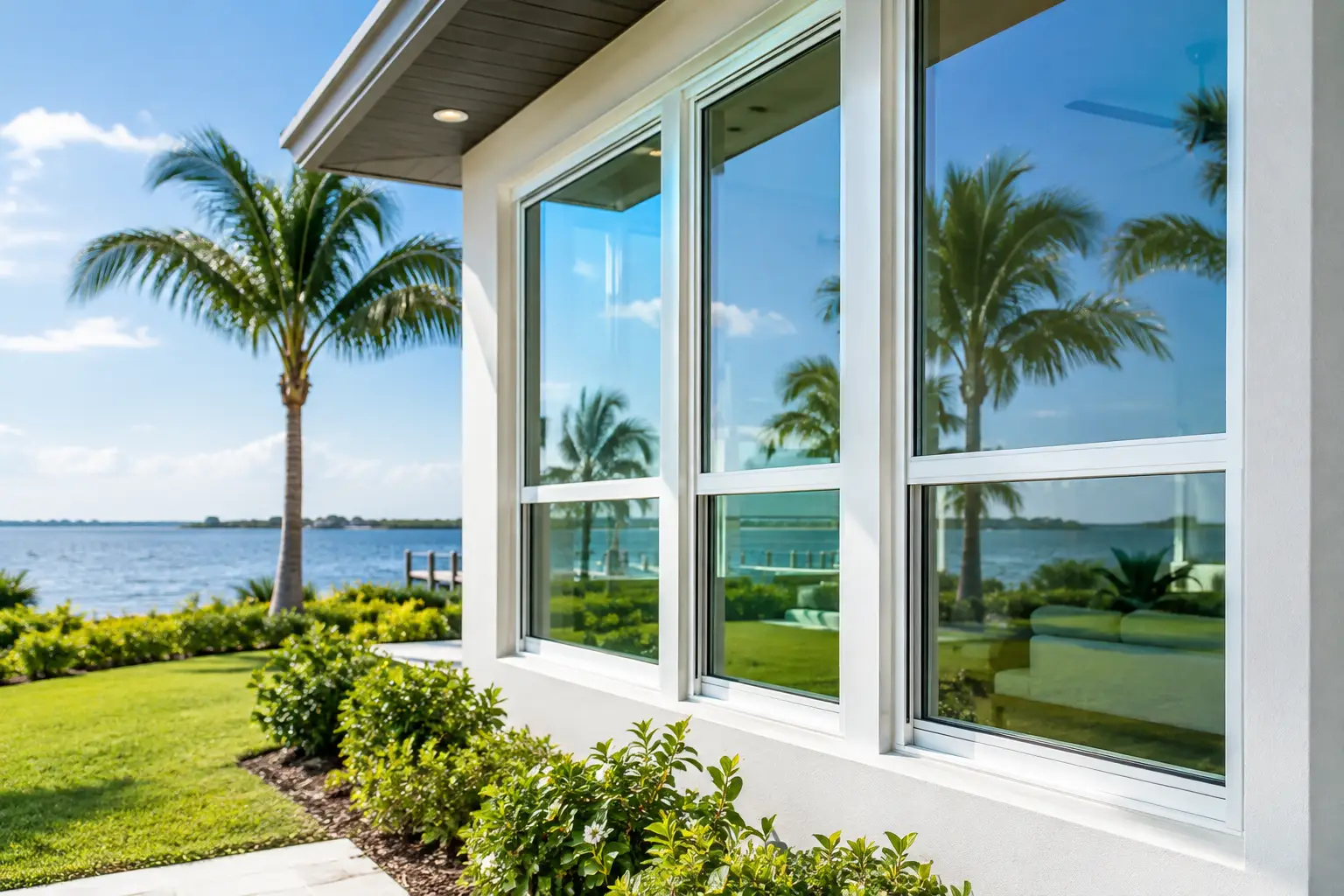
A window upgrade in coastal Florida is not simply a matter of choosing a frame color or glass style. Your windows must stand up to wind-driven rain, intense sun, salt air, rising energy costs, and the possibility of hurricane-force impacts. PGT windows are designed with those real-world demands in mind, making them a strong option for homeowners, investors, and property managers who want lasting protection without compromising the appearance of the property.
The right product is only one part of the decision. Glass package, design pressure rating, opening style, code requirements, and installation quality all influence how a window performs after the project is complete. A professional evaluation helps ensure the windows you select fit both your home and your specific exposure to Florida weather.
Why PGT Windows Are a Practical Florida Upgrade
PGT is widely known for impact-resistant windows and doors built for hurricane-prone markets. Many product configurations use laminated impact glass, which consists of two panes of glass bonded with a durable interlayer. If the exterior glass is struck and breaks, that interlayer is designed to help keep the opening protected rather than allowing glass and wind to enter the home.
That distinction matters during a major storm. Once a window opening is breached, wind pressure can enter the structure and place added stress on the roof, walls, and other openings. Impact-rated windows are intended to provide a permanent layer of protection that is present every day, not a system that needs to be deployed when a storm is approaching.
For many Florida property owners, the benefits extend beyond hurricane season. Laminated glass can reduce outside noise from traffic, neighbors, or nearby commercial activity. Depending on the selected glass package, new windows may also help manage solar heat gain and reduce strain on air conditioning equipment. Better seals and modern framing can improve comfort in rooms that feel warm, drafty, or humid around older windows.
There is also a security consideration. Impact glass is not an absolute guarantee against forced entry, but the layered construction can make it more difficult to quickly penetrate than standard annealed glass. For seasonal residences, rental properties, and ground-floor commercial spaces, that added resistance can be a meaningful advantage.
Impact Protection Is Not One-Size-Fits-All
Not every PGT window carries the same ratings or uses the same glass, frame, and hardware configuration. The correct choice depends on the size of the opening, the type of window, the building location, elevation, and local code requirements. A large picture window facing open water may require a different solution than a smaller bedroom window on a sheltered side of the house.
Design pressure, often called DP, is one of the key factors professionals review. It reflects a product’s ability to resist wind loads and water infiltration under tested conditions. Higher numbers are not automatically better for every opening. The goal is to use a properly rated, code-compliant product that matches the engineering needs of the property.
Florida’s wind-borne debris regions and local permitting rules can also affect the scope of a replacement project. Some homes may be eligible for certain storm protection or insurance considerations when impact-rated openings are installed, but homeowners should confirm available benefits with their insurer and local authorities. Product labels, approvals, permits, and final installation documentation should be kept with the property’s records.
Impact-resistant windows also do not eliminate the need for common-sense storm preparation. Homeowners should still secure outdoor furniture, clear drainage paths, inspect roof and exterior conditions, and follow local emergency guidance. Windows are one important part of a broader protection plan.
Choosing the Right Window Style for Your Home
The best window layout balances performance, ventilation, views, and daily use. A room with a beautiful water or preserve view may benefit from fixed picture windows that maximize glass area. Bedrooms and living spaces that need fresh air may be better served by single-hung, casement, awning, or sliding windows.
Single-hung windows remain popular in Florida because they provide a familiar appearance and simple operation. Casement windows can offer expansive views and side-hinged ventilation, while awning windows can be useful where homeowners want airflow even during light rain. Sliding windows are often a practical fit for wider openings and contemporary elevations.
Frame material and finish deserve attention as well. Vinyl and aluminum systems each have advantages depending on the home, architecture, budget, and desired sightlines. Aluminum can provide clean, narrow profiles and a durable appearance for many coastal applications. Other frame options may offer different insulation characteristics or stylistic flexibility. A qualified installer can explain which configurations are available for the required ratings rather than treating every window opening the same.
Color, grille patterns, tint, and glass coatings should support the property as a whole. A window that performs well but clashes with the home’s exterior, interior finishes, or community standards is not the right long-term choice. This is especially relevant for condominiums, managed communities, and commercial buildings where architectural consistency matters.
Glass Choices Affect Comfort and Appearance
Florida sunlight can be hard on interiors. The right glass package can help reduce glare and solar heat while preserving daylight and visibility. Low-E coatings are often used to manage infrared heat transfer, while tinted glass may be appropriate for particularly sunny exposures or properties seeking a specific look.
There is a trade-off. Darker tint can reduce glare and heat, but it can also change the appearance of the glass and limit natural light. A coating selected for maximum solar control may not be the preferred choice for every room or every orientation. West-facing rooms, expansive glass walls, and unshaded areas often deserve closer consideration than shaded north-facing openings.
If fading of flooring, furniture, artwork, or window treatments is a concern, discuss it during the selection process. Glass can help reduce ultraviolet exposure, but no window can completely prevent fading over time. Interior shades, exterior shading, and thoughtful furniture placement may still be part of the solution.
Installation Determines Long-Term Performance
Even premium PGT windows cannot perform as intended if the opening is measured incorrectly, the existing frame conditions are overlooked, or the unit is not anchored and sealed according to approved requirements. Coastal homes can reveal hidden concerns during replacement work, including wood rot, damaged stucco, failed caulking, or water intrusion around an old frame.
A careful installation process begins with inspecting the opening, verifying measurements, and identifying any necessary repairs before the new window is set. The installer should use the approved fastening method for the product and structure, integrate proper flashing and sealants, and ensure the window operates correctly once installed. Final adjustments matter. A window should lock smoothly, drain properly, and sit squarely within the opening.
This is where experienced local professionals provide value beyond the product itself. They understand how Florida building practices, weather exposure, permits, and aging construction details can affect a replacement project. Jensen Beach Aluminum & Windows provides full-service support so property owners have a clear path from product selection and quoting through installation and follow-up service.
When Is It Time to Replace Your Windows?
Some warning signs are obvious, such as cracked glass, broken locks, visible frame damage, or water entering during rain. Others are easier to overlook: persistent condensation between panes, difficult operation, rattling in wind, deteriorated seals, rising cooling costs, or fading finishes near sunny windows.
Replacement can also make sense before a failure occurs. Owners of older homes may be planning for storm readiness, renovating before selling, or upgrading a rental property between tenants. Replacing windows as part of a larger exterior project can simplify scheduling and create a more consistent finished appearance.
Are PGT impact windows better than shutters?
They serve different purposes. Impact windows provide always-in-place protection and can improve daily comfort, noise control, and security. Accordion shutters and other storm protection systems can be an excellent choice in the right application, particularly when budget, existing windows, or opening conditions make them more practical. Some properties use both for added flexibility.
Do impact windows require special maintenance?
Maintenance is generally straightforward. Clean glass and frames with manufacturer-appropriate materials, keep tracks and weep holes clear, inspect caulking periodically, and avoid slamming or forcing operating units. Salt air can leave residue on exterior surfaces, so regular rinsing and cleaning are particularly helpful near the coast.
Will new windows lower energy bills?
They can, especially when replacing poorly sealed or outdated windows. Actual savings depend on the home’s insulation, HVAC system, window orientation, glass selection, shading, thermostat habits, and how many openings are replaced. Comfort, storm protection, and reduced maintenance are often just as important as the utility savings.
A well-planned window project begins with an honest assessment of your property, not a one-size-fits-all recommendation. Before the next storm season or renovation deadline, have a skilled professional evaluate your openings and help you choose protection that looks right, performs reliably, and supports the value of your Florida property for years ahead.