




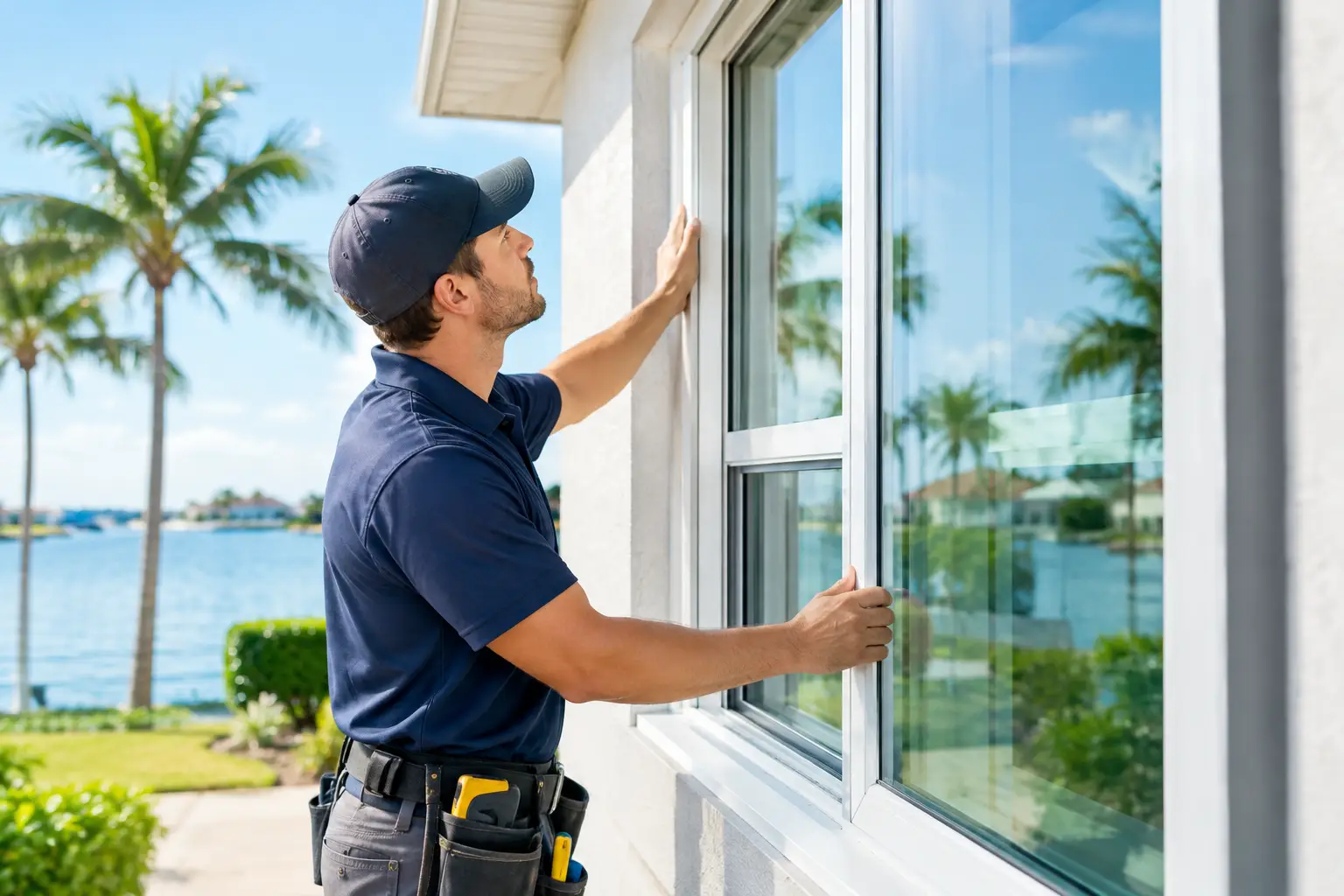
A window can carry an excellent manufacturer warranty and still leave a homeowner exposed if it is installed incorrectly. That is why window installation warranties deserve the same attention as glass type, frame material, impact rating, and price. In Florida’s coastal climate, a small installation error can lead to water intrusion, air leakage, difficult operation, or compromised storm performance when you need protection most.
For homeowners, investors, and property managers on the Treasure Coast, the goal is not simply to receive a warranty document. It is to understand who stands behind the work, what conditions are covered, how long coverage lasts, and what happens if an issue appears after the crew has left the property.
Manufacturer Warranty vs. Installation Warranty
These are separate forms of protection, and they cover different problems.
A manufacturer warranty generally applies to the window product itself. Depending on the brand and product line, it may cover defects in insulated glass, hardware, frame components, finishes, or factory workmanship. Impact-rated windows may also have specific provisions related to approved components and intended use. The exact terms vary, so homeowners should review the written product warranty rather than rely on a broad verbal description.
An installation warranty, sometimes called a workmanship warranty, addresses the contractor’s work. It is intended to cover problems caused by improper measurement, fastening, sealing, flashing, shimming, trim work, or other installation-related errors. If a window leaks because the product was manufactured incorrectly, the manufacturer may be responsible. If it leaks because it was not properly integrated with the opening and exterior wall system, the installation warranty is the relevant protection.
The difference matters because manufacturers often require installation to follow their instructions and local code. A product warranty may not solve a problem created by poor workmanship, and a contractor should not blame the manufacturer for an issue that originates with installation. Working with skilled professionals helps prevent that frustrating gap in responsibility.
Why Window Installation Warranties Matter More in Coastal Florida
Florida windows work under demanding conditions. Heavy rain, wind-driven water, intense sun, humidity, salt air, and hurricane exposure put every opening in the building envelope to the test. Proper installation is not cosmetic. It is part of the home’s defense against weather.
A window may look straight and clean from inside the home while an incorrect seal, missing fastener, or improper flashing detail allows water to move behind the exterior finish. Over time, that moisture can stain drywall, damage trim, encourage mold growth, or affect nearby framing. Air leaks can also reduce comfort and make an air conditioning system work harder during long Florida summers.
For impact windows and doors, precision is especially important. The unit must be installed using the correct approved fastening schedule, anchors, and attachment method for the specific opening and applicable requirements. A high-quality window cannot deliver its intended performance if the installation does not match the approved specifications.
That does not mean every future issue will be covered forever. Warranties have limits, and homes change over time. Settlement, roof failures, storm damage, neglected exterior maintenance, and structural movement can create problems outside a contractor’s control. Still, a clear workmanship warranty gives you a direct path to service when a covered installation issue is discovered.
What a Strong Installation Warranty Should Explain
The best warranty language is specific enough that both the customer and contractor understand the commitment. A vague promise to “stand behind the work” may sound reassuring, but it is not as useful as written terms that define coverage and the service process.
Look for a warranty that identifies the contractor responsible for the installation, the covered work, the warranty period, and the remedy offered for a covered defect. It should state whether the contractor will provide labor to correct the issue and whether reasonable related materials are included when needed for a repair.
It should also explain exclusions. Common exclusions may include damage from hurricanes or other named storms, accidental impact, abuse, alterations by another party, improper cleaning, lack of maintenance, structural conditions, or water intrusion caused by unrelated roof, wall, or drainage failures. Exclusions are not automatically a warning sign. They are necessary boundaries. The concern is unclear language that makes it impossible to tell what is and is not covered.
Ask whether the workmanship warranty is transferable if the property is sold. Transferability may matter to homeowners who expect to move within a few years, as well as investors improving a property for resale. Some warranties transfer once, while others stay only with the original purchaser. There is no universal answer, but you should know the policy before making a decision.
Questions to Ask Before Signing a Window Contract
The best time to discuss warranty coverage is before work begins, not after a concern develops. During your consultation, ask how the contractor separates product defects from installation defects and who will coordinate service if a manufacturer inspection is needed.
You should also ask whether the company handles warranty calls with its own service team or refers customers elsewhere. A local contractor with established after-market support can make a meaningful difference when you need an adjustment, inspection, or repair. Windows and doors are long-term components of your property, and service should be part of the relationship.
Clarify the starting date for the workmanship warranty. It may begin at installation completion, final payment, or project closeout. Confirm whether the warranty covers labor for adjustments, resealing, operational issues, or leaks tied to installation. If exterior finishes such as stucco, siding, paint, or interior trim could be affected during a repair, ask how those items are handled.
Finally, get all warranty terms in writing. Keep the signed contract, paid invoice, permit records when applicable, product labels, manufacturer registration information, and photographs of the completed project in one location. These records make future service requests much easier, especially if ownership or property management changes.
Warning Signs That Coverage May Be Weak
A low price can be appealing, but it should not come at the expense of accountability. Be cautious when a contractor cannot provide written warranty terms, does not clearly identify the product manufacturer, or offers broad promises without explaining the duration or exclusions.
Another concern is a proposal that treats installation as an afterthought. Replacement windows require careful measurement, preparation of the opening, approved attachment, weather sealing, and finish work. The contract should reflect the actual scope, not simply list a number of windows and a product name.
Homeowners should also be cautious about assuming a lifetime product warranty means lifetime labor coverage. In many cases, replacement parts may be covered while diagnosis, removal, reinstallation, shipping, or labor are not. Read the manufacturer and installer documents side by side so you understand where each responsibility begins and ends.
Protect Your Warranty After Installation
A workmanship warranty is most useful when issues are reported early and documented clearly. After installation, inspect each window and door from inside and outside. Check that units open, close, lock, and latch properly. During the first significant rains, watch for signs of water around frames, sill areas, and nearby walls.
If you notice a concern, take dated photos and contact the installer promptly. Describe what you see, when it happens, and whether it occurs during wind-driven rain or under normal conditions. Avoid applying caulk, changing hardware, or allowing another contractor to alter the window before the original installer has an opportunity to inspect it. Unauthorized repairs can complicate the cause of the problem and may affect coverage.
Regular maintenance still matters. Keep tracks and weep holes clear, use cleaning products approved for the frame and glass, and maintain surrounding caulk, exterior finishes, roofs, gutters, and drainage systems. A warranty does not replace routine property care, but good maintenance helps windows perform as designed for years.
Choose a Partner Who Will Be Here After the Project
The value of a window installation warranty comes down to more than the number of years printed on the page. It depends on the quality of the installation, the clarity of the terms, and the contractor’s willingness to respond when service is needed. Jensen Beach Aluminum & Windows approaches every window project with those long-term responsibilities in mind, using premium products and experienced installation practices suited to Florida properties.
Before approving your next window project, take the warranty home, read it closely, and ask direct questions. A dependable contractor will welcome that conversation because your confidence after installation matters just as much as the finished appearance on day one.