


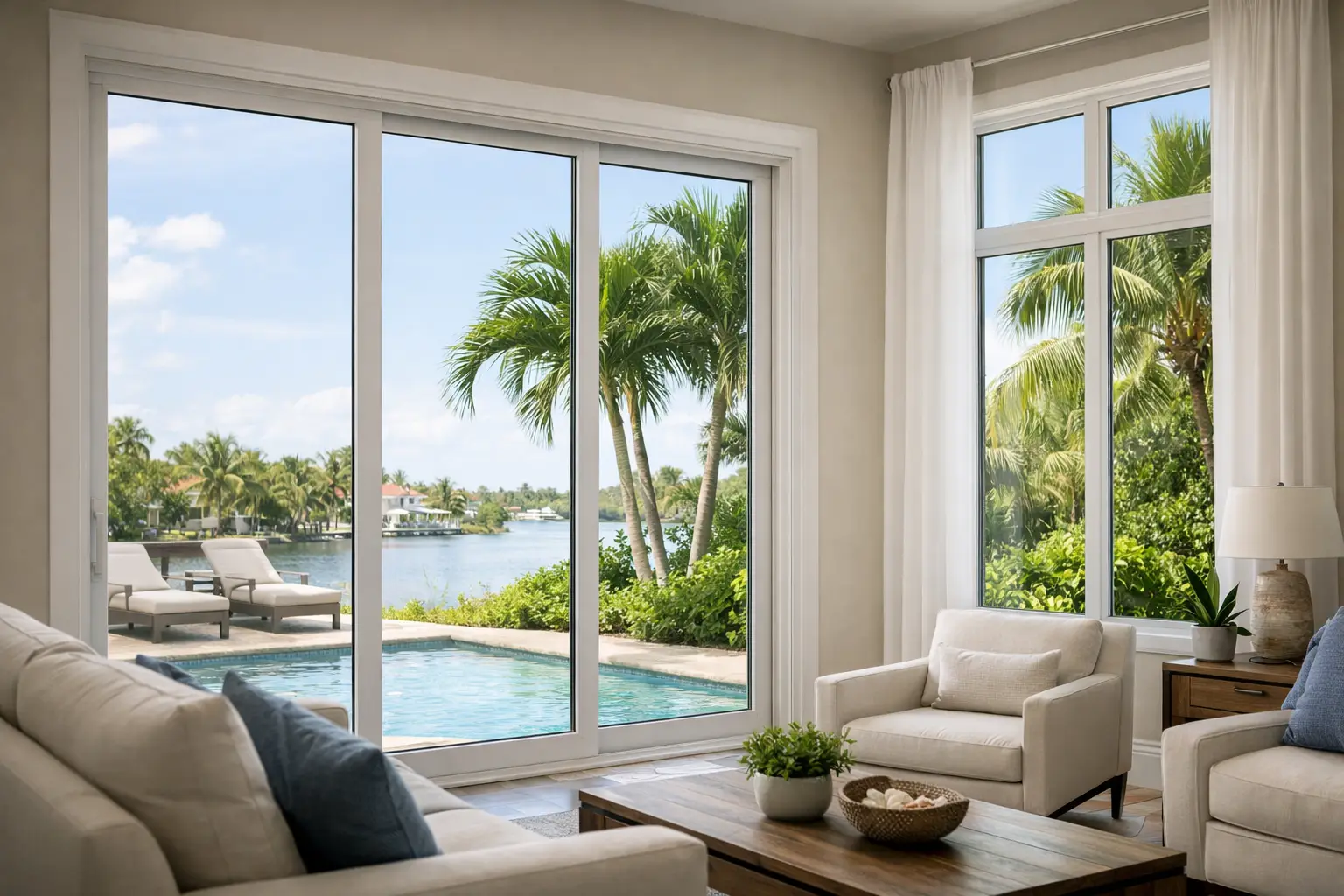
A Florida home can look perfectly sound from the street while losing comfort through its windows and doors every afternoon. If rooms near the glass feel noticeably hotter, the air conditioner runs without a break, or storm season raises concerns about aging openings, energy efficient fenestration deserves a closer look. It is not simply about buying a more attractive replacement window. It is about creating a better-performing barrier between your property and Florida’s sun, humidity, wind, and rain.
For homeowners and property managers on the Treasure Coast, the right window and door system can reduce unwanted heat gain, improve indoor comfort, support lower cooling demand, and add meaningful protection during severe weather. The best result comes from matching the product, glass package, frame, and installation method to the property itself.
What Energy Efficient Fenestration Means
Fenestration is the industry term for windows, exterior doors, skylights, and other glazed openings in a building envelope. Energy efficient fenestration refers to these components working together to limit solar heat, resist air and water intrusion, and help maintain a consistent indoor temperature.
In Florida, that performance matters differently than it does in a colder climate. The main challenge is often keeping intense solar heat out rather than retaining furnace heat. A poorly performing window can allow heat through the glass and frame, making certain rooms uncomfortable and placing additional strain on the cooling system. Air leaks around an older window or door can make the problem worse while allowing humid outdoor air inside.
A quality replacement system addresses more than one issue at a time. It can improve energy performance, help reduce exterior noise, refresh the appearance of the home, and provide a stronger opening for coastal conditions. Where impact-rated products are appropriate, it can also support hurricane protection without requiring separate storm panels for every opening.
The Parts That Determine Window and Door Performance
Energy performance should never be judged by glass alone. Glass is a major factor, but the frame, hardware, weatherstripping, and professional installation all affect the final result.
Low-E Glass and Solar Heat Control
Low-emissivity, or Low-E, coatings are designed to manage heat transfer through the glass. For Florida properties, the goal is generally to reduce solar heat gain while preserving useful natural light. This helps limit the harsh radiant heat that can build up near windows facing south or west.
Tint, coating selection, and the number of glass panes should be chosen with the home’s exposure in mind. A large west-facing wall of glass may need a stronger solar-control package than a shaded window beneath a covered lanai. Darker glass can reduce glare and heat, but it may also reduce visible light. The right balance depends on how the room is used and how much direct sun it receives.
Frames, Seals, and Weatherstripping
A high-quality glass package cannot fully perform if the frame is weak, poorly sealed, or improperly fitted into the opening. Aluminum, vinyl, and other frame systems each have different advantages related to strength, maintenance, appearance, and thermal performance.
For coastal Florida homes, frame durability is especially important. Salt air, high humidity, wind-driven rain, and daily exposure to ultraviolet light can wear down inferior materials and seals. Premium windows and doors use dependable weatherstripping, drainage paths, secure locking systems, and corrosion-resistant components to help manage those conditions over time.
Sliding glass doors, French doors, and entry doors deserve the same attention as windows. Large glass doors are often a major source of sunlight and air loss, particularly when rollers, tracks, or seals have aged. A properly selected replacement door can improve operation, security, and comfort in a heavily used area of the home.
Professional Installation Is Part of the System
Even the best-rated product can underperform if it is installed incorrectly. Small gaps, poor flashing details, insufficient anchoring, or an improperly adjusted door can lead to water intrusion, drafts, operational problems, and reduced energy performance.
Florida installations require careful attention to the existing opening, wall conditions, drainage, local code requirements, and the product’s approved installation instructions. This is particularly critical with impact windows and doors, where installation details affect the system’s ability to perform under wind pressure and flying debris conditions.
Experienced installation professionals evaluate the full opening rather than treating replacement as a simple swap. That approach helps protect the investment and gives the homeowner a clearer path to long-term performance.
How to Read Energy Ratings for Florida Products
Product labels provide useful guidance, but no single rating tells the whole story. A knowledgeable contractor can explain how the numbers apply to your property, but homeowners should understand the key terms.
U-factor measures how readily a window or door transfers non-solar heat. Lower numbers generally indicate better insulating performance. Solar Heat Gain Coefficient, commonly called SHGC, measures how much solar heat passes through the product. In Florida’s cooling-dominated climate, a lower SHGC is often desirable, especially on sun-exposed elevations.
Visible transmittance indicates how much daylight comes through the glass. A very low SHGC may be helpful in a high-sun location, but homeowners may not want a product that makes an interior feel overly dark. Air leakage ratings also matter. A tightly built unit with effective weatherstripping can help reduce drafts and moisture-laden air entering the home.
For coastal properties, energy ratings should be considered alongside wind-load and impact requirements. A product selected only for thermal efficiency may not be the right choice if it does not meet the protection needs of the location. The strongest decisions account for both daily energy comfort and storm readiness.
Choosing Energy Efficient Fenestration by Exposure
A whole-house replacement project does not always require identical glass options at every opening. A home’s orientation, roof overhangs, landscaping, room use, and outdoor structures all influence what makes sense.
Bedrooms may benefit from glass choices that reduce morning glare and exterior noise. A living room with broad views of the water may call for high-performance glass that protects comfort while preserving visual clarity. Windows under an awning or covered patio receive less direct solar exposure than unshaded glass on the same side of the house.
This is also where exterior improvements can complement new windows and doors. Awnings, pergolas, louvered roof systems, retractable screens, and properly designed covered outdoor spaces can reduce direct sun on glass while making patios and lanais more enjoyable. They are not replacements for efficient fenestration, but they can reduce the heat load placed on the building envelope.
For investment properties and commercial buildings, priorities may shift toward durability, tenant comfort, maintenance requirements, and code compliance. The product should fit the operating demands of the property, not just its initial purchase price.
When Replacement Makes Financial and Practical Sense
Windows and doors do not need to be visibly broken before replacement becomes worthwhile. Persistent condensation between panes, difficult operation, failed seals, water staining, noticeable drafts, fading furnishings, and escalating cooling complaints are all signs that an evaluation may be needed.
The timing often makes sense when several needs overlap. A homeowner planning exterior painting, a roof project, hurricane upgrades, or a major renovation may find it more efficient to address aging windows and doors at the same time. Replacing units before storm damage occurs also gives you more control over product selection, scheduling, and budget.
Energy savings should be viewed realistically. The amount a property saves depends on the condition of the existing windows, the size and exposure of the home, thermostat settings, insulation levels, duct performance, and how occupants use the space. New windows alone will not solve every comfort problem. However, replacing old, leaky, single-pane, or poorly performing units can be a substantial part of a broader efficiency plan.
A Better Way to Plan Your Project
Start with a professional evaluation of the openings you use every day. Discuss rooms that run hot, doors that stick, areas exposed to wind-driven rain, and your goals for hurricane protection. Bring up any plans for shutters, screens, outdoor structures, or exterior renovations so the work can be coordinated properly.
Ask about the glass package, frame construction, impact rating where needed, warranty coverage, permitting, and installation process. A clear proposal should explain what is being installed and why it fits your home. The lowest initial quote is not always the best value when it leaves out proper materials, structural requirements, service, or skilled installation.
Jensen Beach Aluminum & Windows helps Florida property owners evaluate premium window and door options with the coastal environment in mind. A detailed consultation can turn a confusing product decision into a practical plan built around comfort, protection, appearance, and long-term service.
If your home feels hotter near the windows than it should, or your doors no longer operate and seal as they once did, schedule an assessment before the next stretch of peak heat or storm season. The right improvements can make everyday living more comfortable while helping your property stand ready for the weather Florida brings.