


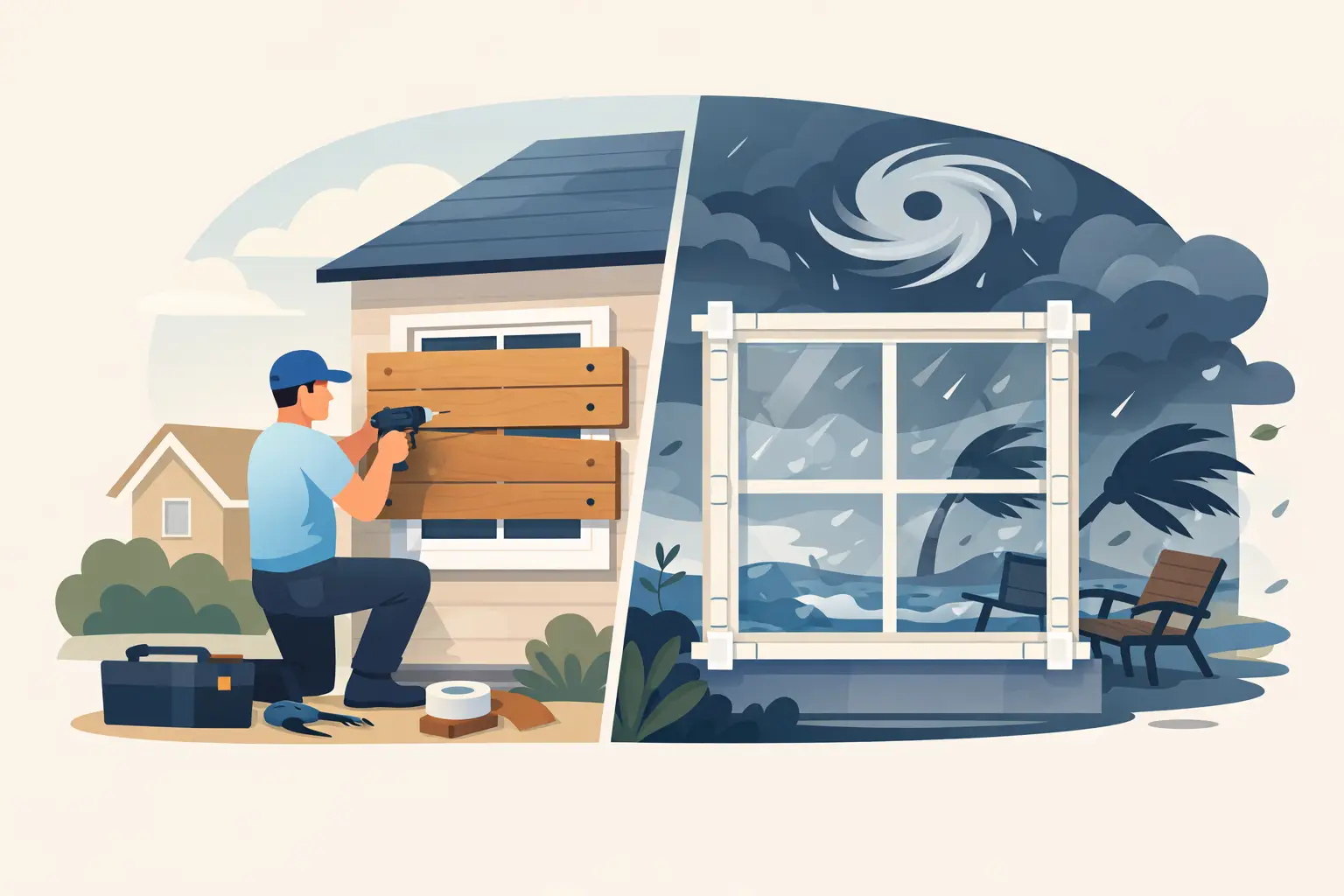
The difference between minor cleanup and major interior damage often comes down to what happens at the windows before the first storm warning is issued. If you are wondering how to prepare windows before hurricane season, the best time is well before a track shifts toward the Treasure Coast. Waiting until a watch or warning is posted usually means limited supplies, rushed work, and more chances to miss something important.
In Florida, window prep is not just about putting something over the glass and hoping for the best. A storm-ready window system depends on the condition of the frame, the strength of the fasteners, the quality of the seal, and whether the opening has the right level of protection for your property. Homes near the coast, older properties, and buildings with large glass openings usually need a more careful review because wind pressure and wind-driven rain can expose weak points quickly.
How to prepare windows before hurricane threats build
Start with an honest inspection. Look at every window from both inside and outside. You are checking for cracked glass, soft or damaged framing, missing fasteners, worn weatherstripping, loose locks, and gaps where water can enter. Even a high-quality window can underperform if the surrounding frame or seal has deteriorated.
Pay close attention to corners and sill areas. These are common trouble spots for water intrusion, especially on older installations. If you see signs of staining, bubbling paint, mildew, or softness in adjacent materials, that can point to an existing leak path that should be addressed before storm season gets active.
Older windows deserve extra scrutiny. Single-pane units, aging aluminum frames, and non-impact glass may still function day to day, but that does not mean they are ready for hurricane conditions. In many cases, the issue is not one dramatic defect. It is a combination of small weaknesses that become a larger problem under pressure.
Check glass, frames, and hardware together
The glass gets most of the attention, but hardware matters too. Locks should engage fully, and the sash should close tightly without force. If a window rattles in normal weather, that movement can become a serious vulnerability in high winds. Loose operators, damaged balances, and corroded components should be repaired or replaced.
Frames should be square, secure, and firmly anchored. If a frame has pulled away from the opening or shows visible corrosion or damage, adding shutters alone may not solve the problem. Protection works best when the entire opening is sound.
Choose the right type of window protection
There is no single answer for every property. The right choice depends on your window type, budget, building code requirements, and how much convenience you want when a storm approaches. Some owners need a fast-deploy solution because they manage multiple properties. Others want a long-term upgrade that improves both storm readiness and energy efficiency.
Impact windows are one of the most complete solutions because the protection is built into the opening itself. They are designed to stand up to debris impact and pressure changes while also improving insulation, noise control, and everyday security. For many Florida property owners, this is the cleanest long-term approach, especially if existing windows are already nearing replacement age.
Shutters remain a strong option as well. Accordion shutters are popular because they are permanently installed and quicker to close when a storm is on the way. Panels can work, but they require storage, labeling, and enough time to install them correctly. That trade-off matters. A lower upfront cost can become less practical if installation is difficult or delayed at the exact moment you need protection most.
Plywood is often discussed, but it is usually a last-resort measure rather than a preferred solution. It can help in an emergency when properly cut and secured, but it does not offer the convenience, fit, or long-term reliability of a professionally designed protection system. It also leaves more room for installation mistakes.
Match the protection to the opening
Large picture windows, sliding glass doors, and upper-story openings need special planning. These areas often face greater exposure and can be more difficult to secure quickly. If your property has oversized glass or a mix of old and new window systems, a one-size-fits-all approach may not give you the level of protection you expect.
This is where professional guidance makes a difference. A qualified local contractor can evaluate each opening, explain which products meet Florida code requirements, and identify whether your current setup is adequate or due for an upgrade. For many owners, that evaluation prevents costly guesswork.
Seal up weak points before heavy rain arrives
Wind gets the headlines, but water causes a significant share of hurricane-related property damage. Preparing windows means reducing the chance of rain pushing past old seals, failed caulking, or damaged trim.
Inspect the perimeter sealant around each window. If caulk is cracked, shrinking, or separating from the frame or wall, it should be replaced with an appropriate exterior-grade product. Do not assume a small gap is harmless. Wind-driven rain can exploit minor openings for hours.
Check weatherstripping as well. Worn or compressed weatherstripping can allow air and water infiltration even when the sash appears closed. Replacing these materials is usually a straightforward improvement, but it should be done with the correct fit for the specific window model.
Drainage paths matter too. Some windows are designed with weep holes to allow water to exit. These should be clear, not clogged with dirt, paint, or debris. Blocking drainage can trap water where it does not belong.
Don’t wait to trim, clear, and secure the area around windows
Window preparation is also about what can hit the glass. Trim back overhanging branches and remove loose outdoor items well before a storm forms. Decorative planters, patio furniture, hanging items, and yard debris can all become impact hazards.
If you have screens, inspect them, but understand their limits. Standard insect screens do not provide hurricane protection. In fact, damaged or loose screens can tear away in strong winds. They should not be treated as a substitute for shutters or impact-rated products.
For commercial properties and multifamily buildings, common areas deserve the same level of planning. Courtyards, pool decks, and shared walkways often contain loose objects that can become airborne. A building-wide storm checklist helps reduce that risk.
Create a storm plan before you need it
A good protection system is only useful if you can deploy it in time. If your windows use removable panels, confirm that every panel is labeled and stored in a dry, accessible place. Make sure the correct hardware is available and that nothing is missing. If installation requires more than one person, decide in advance who is responsible.
Test your process on a clear day. That sounds simple, but it prevents avoidable problems when time is short. You do not want to discover stripped anchors, missing bolts, or misidentified panels the day before landfall.
For owners of seasonal homes or investment properties, remote readiness is another factor. If you are not always onsite, your storm plan should include who will secure the property and when. Convenience becomes a real part of risk management, which is one reason many coastal owners move toward permanent shutter systems or impact window upgrades.
When repair is enough and when replacement makes more sense
Not every window issue requires full replacement. Minor hardware failures, worn sealant, and isolated weatherstripping problems can often be repaired cost-effectively if the core window remains structurally sound.
But there are times when repair money is better put toward a new system. If windows are outdated, difficult to operate, leaking repeatedly, or not rated for the level of protection your property needs, replacement may offer more value over time. That is especially true when you factor in energy savings, easier maintenance, improved appearance, and stronger storm performance.
For Florida homes and commercial buildings, professionally installed impact windows and storm protection products are not just about preparing for one event. They support the long-term durability of the property. That is the bigger picture many owners are looking for – dependable protection without scrambling every season.
A trusted local company with coastal experience can help assess where your current windows stand and what level of protection makes sense for your building. Jensen Beach Aluminum & Windows works with property owners who want practical, code-conscious solutions built for Florida conditions, not generic advice.
If you take one step this week, make it the inspection. Once you know the condition of your windows, the right next move becomes much clearer, and that clarity is worth a lot when storm season starts to tighten its grip.