


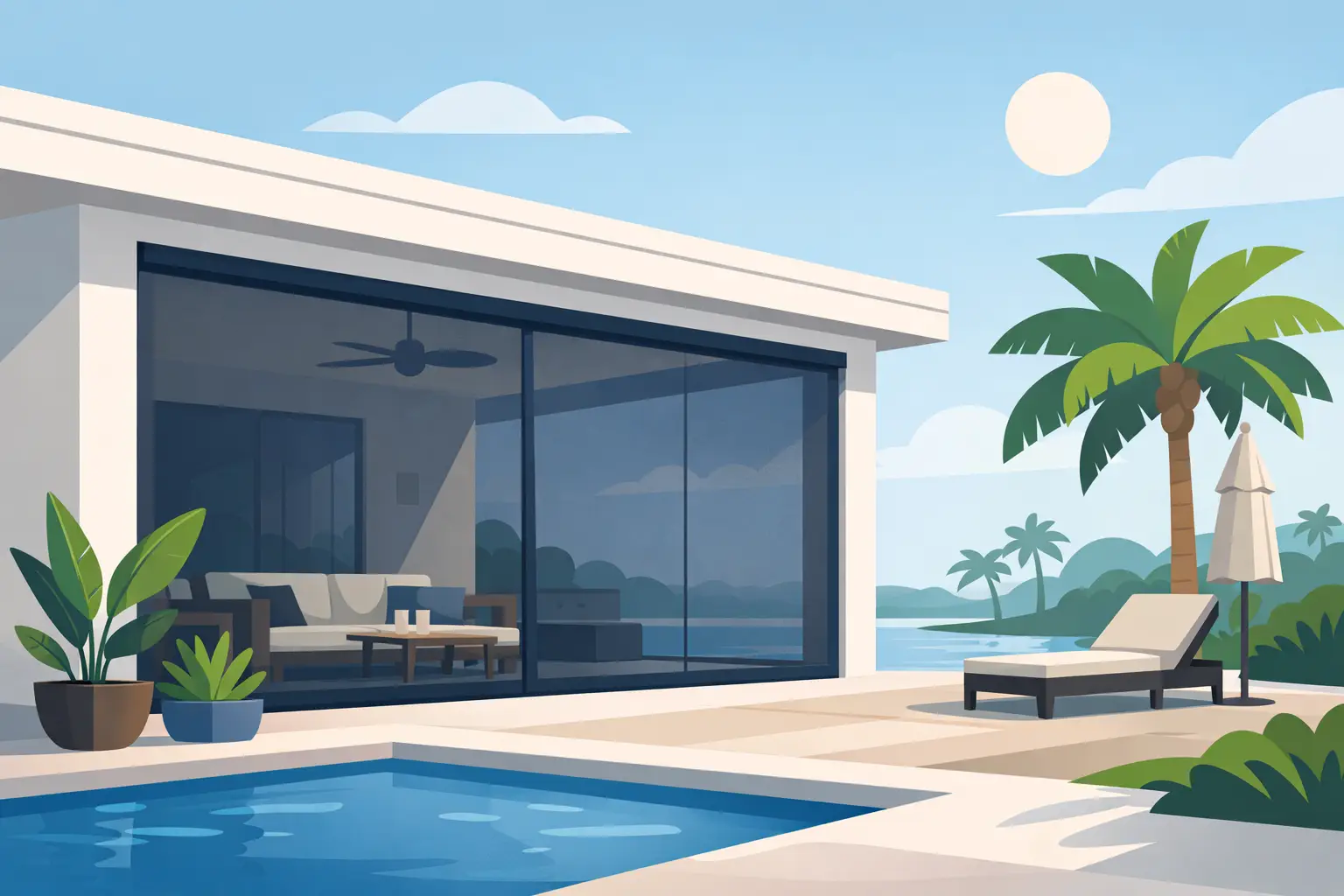
A patio in Florida can be the best part of the property at 8 a.m. and the least comfortable spot by midafternoon. Heat builds fast, insects show up at the wrong time, and even a light breeze can carry enough glare and debris to send everyone back inside. That is why retractable screens for patios have become such a smart upgrade for homeowners and property managers who want outdoor space that works more often and with less hassle.
Unlike fixed screening, retractable systems give you control. You can keep the patio open when the weather is perfect, then lower the screen when you need shade, privacy, or protection from bugs and wind. For Florida properties, that flexibility matters. Outdoor living space should feel usable, not seasonal.
Why retractable screens for patios make sense in Florida
Florida homes are built around indoor-outdoor living, but the climate always has the final say. Direct sun, high humidity, salt air, afternoon storms, and year-round insect pressure can limit how often a patio gets used. A retractable screen helps solve several of those problems at once without permanently closing off the area.
The most immediate benefit is comfort. Screens reduce glare and soften direct sunlight, which can make a covered patio noticeably cooler. They also help cut down on mosquitoes and flying insects, especially during early morning and evening hours when people actually want to sit outside. Depending on the screen fabric selected, they can also provide privacy from nearby neighbors while still allowing airflow.
There is also a visual advantage. Because the screens retract when not needed, the patio keeps its open feel. You are not committing to a fully enclosed look. For many homeowners, that balance is the real value – protection when you want it, a clear view when you do not.
What these systems actually do
Retractable patio screens are mounted to a structural opening such as a lanai, covered patio, pergola, or other outdoor living area. The screen rolls into a housing when raised and extends down along side tracks when deployed. Some are motorized for push-button convenience, while others operate manually.
A well-designed system is more than just mesh on a roller. The frame, track alignment, fabric tension, and motor quality all affect performance. In coastal Florida, those details matter even more because moisture, wind exposure, and corrosion can shorten the life of poorly built products.
This is one area where product selection and installation quality should carry equal weight. A premium screen installed incorrectly can still bind, gap, or wear unevenly. A professional fit helps the system move properly, sit securely, and hold up over time.
Common benefits homeowners notice first
Most people start by wanting bug control or shade, then realize the screen improves the patio in other ways too. It can make outdoor dining more comfortable, reduce sun exposure on furniture, and help create a more private setting for everyday use. For properties with west-facing patios, it can also make the space much more usable during late afternoon hours.
Commercial properties see similar benefits. Restaurants, multifamily communities, and hospitality spaces often use retractable screens to make outdoor seating more consistent and easier to manage in changing weather.
Choosing the right screen for your patio
Not every patio needs the same type of screen. The best fit depends on the size of the opening, the amount of sun exposure, the desired level of visibility, and how the space is used. A patio that mainly needs insect protection may benefit from a different mesh than one that needs strong solar shading or more privacy.
Screen openness is one of the biggest variables. A more open weave allows better visibility and airflow, but it will block less sun. A tighter weave offers more shade and privacy, though it can slightly reduce the view and breeze. Neither is automatically better. It depends on whether your top priority is preserving the scenery, reducing heat, or making the area feel more enclosed.
Motorized operation is another decision point. For larger spans or frequently used patios, motorized retractable screens are usually worth it. They are easier to use, cleaner in appearance, and more practical for everyday living. Manual systems can still work well for smaller applications, but convenience tends to drive long-term satisfaction.
Color also matters more than many buyers expect. The frame should complement the home or building exterior, and the screen fabric should support the function of the space. Darker screen fabrics often provide better outward visibility during the day, while lighter tones can affect glare differently. A good installer will walk through those trade-offs instead of pushing a one-size-fits-all option.
Installation quality matters as much as the product
Retractable screens are only as dependable as the structure they attach to and the precision of the installation. Patios and lanais are not always perfectly square, especially on older homes. If measurements are off or tracks are not aligned correctly, the system can drag, leave gaps, or wear prematurely.
For coastal properties, material quality is a major part of the equation. Hardware and framing should be selected with Florida conditions in mind. Salt exposure, humidity, and intense sun are tough on exterior systems, so durability is not a luxury feature. It is part of basic long-term performance.
That is why experienced local installation matters. A contractor who works in Florida understands how outdoor products behave in real conditions, not just in a catalog. Jensen Beach Aluminum & Windows serves homeowners and property managers who need patio solutions built for comfort, protection, and lasting use in the Treasure Coast climate.
When retractable screens are the right choice – and when they are not
Retractable screens are an excellent solution for many patios, but they are not the answer to every outdoor problem. If your main goal is complete weather enclosure or year-round climate control, a screen system alone may not be enough. In that case, a sunroom, enclosed patio, or other more permanent structure might make more sense.
They are also not a substitute for hurricane-rated storm protection unless the specific system is engineered and approved for that purpose. Homeowners in coastal areas should be careful not to assume every retractable screen provides the same level of structural resistance. Comfort and storm protection are related priorities, but they are not identical products.
Still, for many Florida properties, retractable screens hit the sweet spot. They improve comfort without major reconstruction, preserve the open feel of the patio, and add functional value without making the space feel closed in.
A better outdoor living experience without giving up the view
The best patio upgrades are the ones that make daily life easier. Retractable screens do that by giving you more control over sun, insects, privacy, and airflow without taking away the openness that made the patio appealing in the first place.
For homeowners, that can mean more family dinners outside, fewer bug sprays and fans, and more use out of a space that was underperforming. For property managers, it can mean a more attractive amenity, better tenant satisfaction, and a cleaner outdoor presentation. For both, the value comes from making the patio more dependable.
If you are investing in outdoor living space in Florida, it pays to think beyond appearance alone. The right screen system should look good, operate smoothly, and hold up under local conditions. When it is custom fit and professionally installed, a retractable screen becomes less of an accessory and more of a practical improvement you will appreciate almost every day.
A patio should not be a space you avoid until the weather is perfect. With the right retractable screen system, it can become one of the most comfortable and useful parts of the property.