


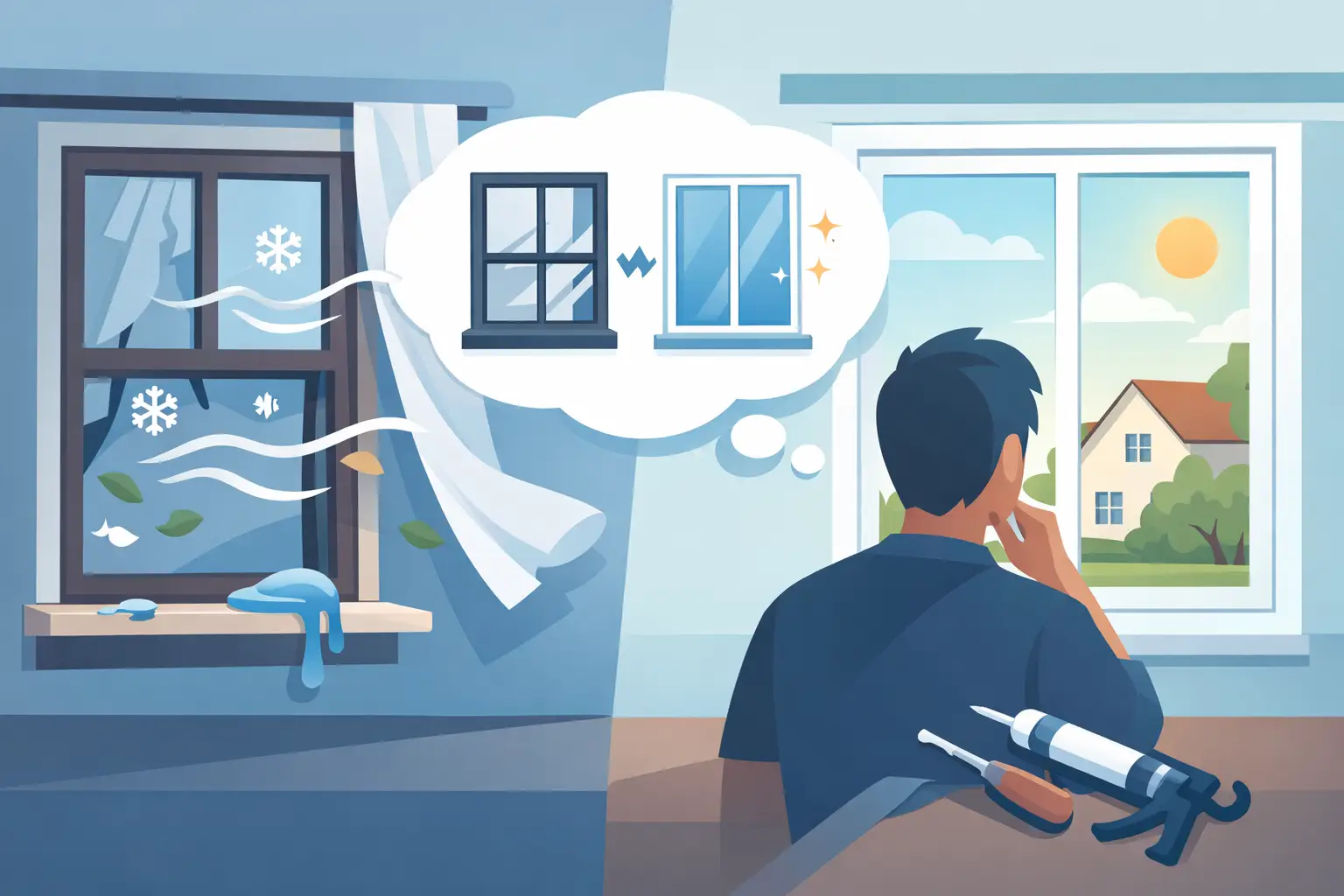
You notice it first in the room you avoid. Maybe it is the front bedroom that never stays cool, or the living room where the blinds move slightly even when the HVAC is running. If you need to replace drafty house windows, the issue is usually bigger than comfort alone. In Florida, air leaks can raise cooling costs, add moisture stress, and leave your home more vulnerable when storms push wind and rain against the exterior.
A drafty window is not always a minor nuisance. Sometimes the problem is worn weatherstripping or aging caulk. Other times, the entire window system has reached the point where repair is only a short-term patch. Knowing the difference matters, especially for coastal homeowners who need performance, durability, and dependable protection from the next season ahead.
Why drafty windows become a bigger problem in Florida
In colder parts of the country, drafts are often discussed as a winter comfort issue. Here, the bigger concern is what hot, humid air does when it keeps finding its way inside. Your air conditioner has to work harder, indoor temperatures become inconsistent, and excess humidity can make rooms feel sticky even when the thermostat says otherwise.
That same air leakage can also point to larger performance problems. Older frames may have shifted. Seals may have failed. Glass packages may no longer insulate as intended. If the window is outdated or poorly installed, you may be paying for conditioned air that is constantly escaping.
For coastal properties, there is another layer to consider. A window that leaks air may also be less prepared to stand up to wind pressure, wind-driven rain, and the demands of hurricane season. That does not mean every drafty window is unsafe, but it does mean the condition deserves a closer look from a qualified professional.
Signs it is time to replace drafty house windows
Some warning signs are obvious. You can feel moving air near the frame, the sash rattles, or the room never seems to cool down. Others are easier to miss because they develop gradually over time.
If your energy bills have climbed without another clear cause, your windows may be part of the reason. If you see condensation between panes, that usually means the insulated glass seal has failed. If the frames show rot, corrosion, warping, or water intrusion, the problem has likely moved beyond a simple maintenance fix.
Operation matters too. Windows should open, close, and lock properly. If they stick, refuse to stay aligned, or leave visible gaps when shut, performance has been compromised. In many homes, especially older ones, several of these issues show up together.
Repair or replace: what makes sense?
This is where many property owners lose time and money. Not every draft means full replacement, but not every repair is worth doing either.
A targeted repair may make sense if the window is relatively new, structurally sound, and the issue is limited to sealant, hardware, or minor weatherstripping. In that case, correcting the specific failure can restore performance without the cost of a full upgrade.
Replacement is often the better long-term decision when the window is old, inefficient, damaged, or repeatedly causing problems. If you have single-pane units, failing insulated glass, deteriorating frames, or poor installation from the start, repairs tend to stack up without delivering lasting results. At that point, a new window can improve comfort, efficiency, appearance, and storm readiness all at once.
For Florida homeowners, that broader value matters. Replacing windows is not just about stopping a draft. It is also an opportunity to upgrade to stronger materials and impact-rated products that better fit the local climate.
What causes drafty house windows in the first place?
The answer depends on the age of the home, the type of window, and the quality of the original installation. In our market, common causes include sun exposure, moisture, salt air, and years of expansion and contraction that wear down seals and components.
Caulk can crack. Weatherstripping can flatten or pull away. Frames can shift slightly out of square. Older aluminum or wood windows may simply no longer perform like modern systems. In some cases, the issue started on day one because the window was not installed correctly or flashed properly.
This is why product quality and installation quality have to be considered together. Even a premium window can underperform if it is not installed with precision. A reliable replacement project addresses both.
What you gain when you replace drafty house windows
The most immediate improvement is comfort. Rooms feel more even, hot spots are reduced, and your HVAC system does not have to fight constant air leakage. Many homeowners notice the difference quickly, especially in spaces that face direct sun or strong seasonal winds.
Energy performance is another major benefit. New replacement windows are built with better frame technology, tighter seals, and glass options designed to reduce heat transfer. The exact savings depend on your home and your current windows, but better efficiency usually means less wasted cooling.
There is also the matter of storm protection. Impact-rated windows are built to meet strict performance standards for wind and debris resistance. For homeowners in coastal Florida, that is not a luxury feature. It is a serious upgrade in resilience and peace of mind.
Noise reduction can improve as well. While no window makes a home silent, modern insulated glass and tighter construction can help reduce outside noise from traffic, neighbors, and weather.
Finally, replacement windows improve curb appeal and long-term value. Clean lines, updated finishes, and better operation make a visible difference. For investors and property managers, that can support tenant satisfaction, lower maintenance headaches, and strengthen marketability.
Choosing the right replacement windows for coastal homes
The best replacement window is not the same for every property. Style matters, but performance should lead the decision.
In Florida, impact resistance, energy efficiency, and material durability are usually at the top of the list. Homeowners should also consider how the window will function day to day. A fixed picture window may maximize views and light, while single-hung, horizontal roller, or casement styles may be better suited to ventilation and access depending on the opening.
Frame material is another practical decision. Aluminum remains popular for its strength and clean appearance, while other materials may offer different thermal benefits. The right choice depends on the home, the exposure, and the goals of the project.
Glass package selection matters as well. Low-E coatings, insulated glass, and impact-rated configurations all influence comfort and protection. This is where experienced guidance helps. A coastal property has different demands than an inland home, and recommendations should reflect real local conditions, not generic national advice.
Why professional installation matters as much as the window itself
Homeowners sometimes focus heavily on the product and underestimate installation. That can be an expensive mistake.
A replacement window has to be measured properly, fitted correctly, sealed thoroughly, and integrated with the existing opening so it performs as intended. If the installer cuts corners, even a high-quality unit can end up leaking air or water. In storm-prone areas, those details matter even more.
Professional installation also helps ensure compliance with code requirements, manufacturer specifications, and permitting standards where applicable. That protects the performance of the product and reduces the risk of future issues.
For that reason, many property owners look for an established local company with skilled professionals, premium products, and full-service support from consultation through installation and follow-up care. Companies such as Jensen Beach Aluminum & Windows have built their reputation around that kind of long-term service, which matters when your investment is tied directly to your home’s comfort and protection.
Is now the right time to replace?
If your windows are clearly failing, waiting rarely makes them cheaper to own. Drafts lead to higher cooling costs, continued discomfort, and the possibility of moisture intrusion or worsening frame damage. If hurricane season is approaching and your current windows are outdated, the timing question becomes even more practical.
That said, replacement should still be planned carefully. The right approach is to evaluate the condition of your current windows, compare repair costs against replacement value, and choose products suited to your property and exposure. A professional assessment can help you avoid overspending where a repair would do, and avoid underinvesting where a full upgrade is the smarter path.
If your home feels harder to cool, your windows no longer seal the way they should, or you are tired of treating the symptoms instead of solving the problem, it may be time to stop living around the draft and start improving the home itself.