


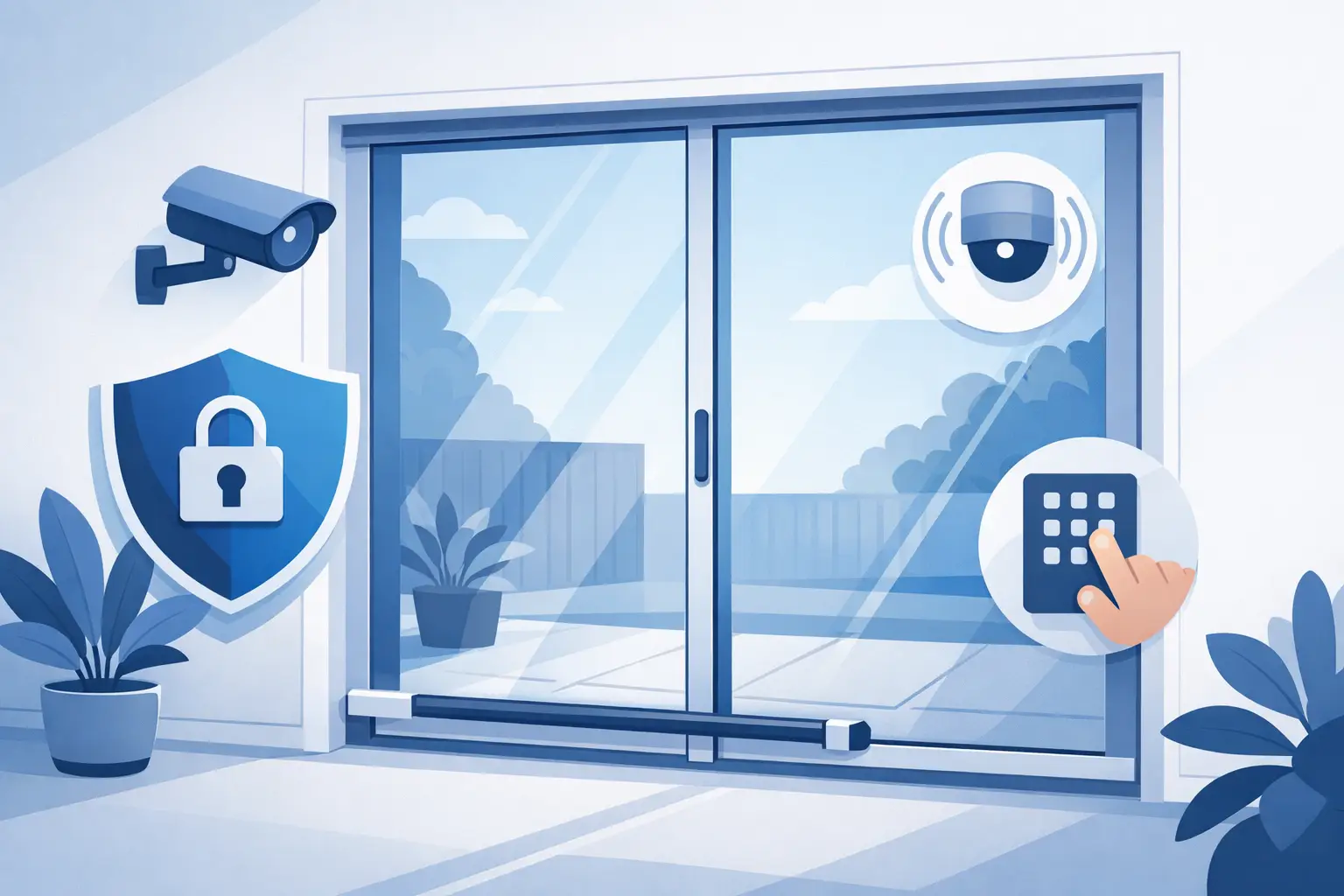
A sliding glass door can be one of the best features in a Florida home – and one of the easiest places to lose peace of mind if it is outdated, poorly installed, or lightly built. If you want to secure sliding glass doors properly, the answer is rarely one quick fix. Real protection comes from the way the glass, frame, lock, track, and installation all work together.
For homeowners and property managers along the Treasure Coast, that matters for more than everyday security. Sliding doors also face high wind pressure, wind-driven rain, salt air, heavy use, and the wear that comes with coastal living. A door that looks fine from across the room may still have weak points that show up when conditions get serious.
What makes sliding glass doors vulnerable
Most problems start with the fact that many older sliding doors were designed for convenience first. They offered light, views, and access to a patio or pool area, but not the level of protection that modern coastal properties need. Basic latch systems can be forced. Worn rollers can throw the panel out of alignment. Thin glass can break more easily than many owners realize. Even the track can become a weak point if the panel lifts too much or does not sit firmly in place.
That does not mean sliding doors are a poor choice. It means performance depends heavily on product quality and installation quality. A well-built modern sliding door can provide excellent security, energy efficiency, and storm protection. A low-grade or aging unit can create ongoing risk.
The best way to secure sliding glass doors
The strongest approach is layered protection. Instead of relying on a single lock or aftermarket bar, look at the full assembly.
Start with the glass
The glass itself is one of the most important decisions. Standard glass may be adequate in mild conditions, but it is not the best option for Florida properties exposed to storms and security concerns. Impact-resistant glass offers a much higher level of protection because it is designed to withstand significant force without shattering into an open entry point.
This matters in two ways. First, it helps protect the opening during severe weather. Second, it makes forced entry far more difficult. Even when impact glass cracks, the interlayer helps keep the panel intact. That added resistance can buy valuable time and reduce damage.
For many owners, this is where security and storm readiness overlap. You are not choosing between safety and appearance. You are choosing a door system that performs better under real coastal conditions.
Upgrade the locking system
Many sliding doors fail at the lock before they fail at the glass. A basic factory latch may not provide the level of resistance you want, especially on older doors. Multi-point locking systems offer stronger engagement and help keep the panel more secure along the frame.
Secondary locking options can also help. Depending on the door type, that may include a foot lock, a security bolt, or a reinforced bar designed specifically for the track. These upgrades are useful, but they work best when the door is already properly aligned. If the panel drags, rocks, or sits loose in the frame, an added lock will not solve the root problem.
Reinforce the track and frame
A common issue with older sliders is lift. If the moving panel can be lifted enough to disengage from the lower track, security is compromised. Anti-lift features and reinforced frame design reduce that risk.
The track also needs attention. Dirt, corrosion, worn rollers, and poor alignment all affect how tightly the door closes and locks. In coastal environments, salt exposure can speed up deterioration, especially with lower-quality components. If the door does not glide smoothly or close squarely, that is not just an inconvenience. It can be a sign that the system is no longer performing as it should.
Do not overlook professional installation
Even premium doors can underperform if they are installed poorly. Gaps, misalignment, weak anchoring, and improper flashing can all undermine security and weather performance. In Florida, installation is not a minor detail. It is part of the protection system.
That is why product selection and installation should be treated as one decision. A quality sliding glass door needs to be measured correctly, fitted precisely, and secured to the structure based on the demands of the opening. That is especially true for larger doors, waterfront properties, and homes with direct storm exposure.
When a quick fix is enough – and when it is not
There are cases where a targeted upgrade makes sense. If your door is relatively new and structurally sound, replacing a worn lock, adjusting the rollers, or adding a secondary security device may be enough to improve performance.
But there are also situations where repairs only delay the bigger decision. If the frame is deteriorating, the glass is outdated, the door is hard to operate, or the unit no longer meets current expectations for impact resistance and energy efficiency, replacement is often the smarter long-term move.
This is where many property owners lose money by patching the same problem repeatedly. A door that sticks, leaks, rattles, or feels loose is not just annoying. It may be telling you the whole system is near the end of its useful life.
Why impact-rated replacement doors are worth a close look
For Florida homes and commercial properties, impact-rated sliding glass doors offer practical advantages beyond security alone. They can improve storm protection, reduce outside noise, help with indoor comfort, and support better energy performance. Just as important, they can do all of that while maintaining the open views and natural light that make sliding doors so appealing.
There is a cost difference, of course. A premium impact-rated door with professional installation costs more than a basic replacement or a few hardware upgrades. But the trade-off often favors the better system when you look at durability, code compliance, maintenance, and the level of protection provided.
For owners planning to stay in the property, quality usually pays off over time. For investors and managers, it can also reduce service calls, improve tenant confidence, and support property value.
Choosing secure sliding glass doors for a coastal property
Not every door is suited for Florida conditions. Product ratings, frame construction, hardware quality, and installation standards all matter. A door that performs well in a mild inland climate may not be the right fit for a coastal opening exposed to strong weather and constant humidity.
When comparing options, look beyond appearance. Ask how the system handles impact resistance, air and water infiltration, corrosion resistance, locking strength, and daily operation. A secure door should feel solid, close cleanly, and operate without excess movement or strain.
It is also worth thinking about the opening itself. A large patio entrance, pool enclosure access point, or high-traffic commercial slider may need a different solution than a smaller residential opening. Security is not one-size-fits-all. The best result depends on the size of the span, the exposure of the property, and how the door is used every day.
The value of working with experienced professionals
Sliding door performance is too important to treat as a commodity purchase. The right contractor will help you evaluate whether your current door can be improved or whether replacement is the better investment. They should also understand local code requirements, coastal product performance, and the installation details that affect long-term results.
That local experience matters. In Florida, the demands on exterior openings are different, and the margin for error is smaller. Jensen Beach Aluminum & Windows works with property owners who need more than a standard door package. They need lasting protection, quality materials, and installation done by skilled professionals who understand the region.
If your sliding glass door no longer feels secure, do not wait for a break-in, a storm, or another season of sticking tracks and unreliable locks to force the issue. The right upgrade can protect your property, improve daily use, and give you more confidence every time that door closes.
1 comment on “How to Secure Sliding Glass Doors”