


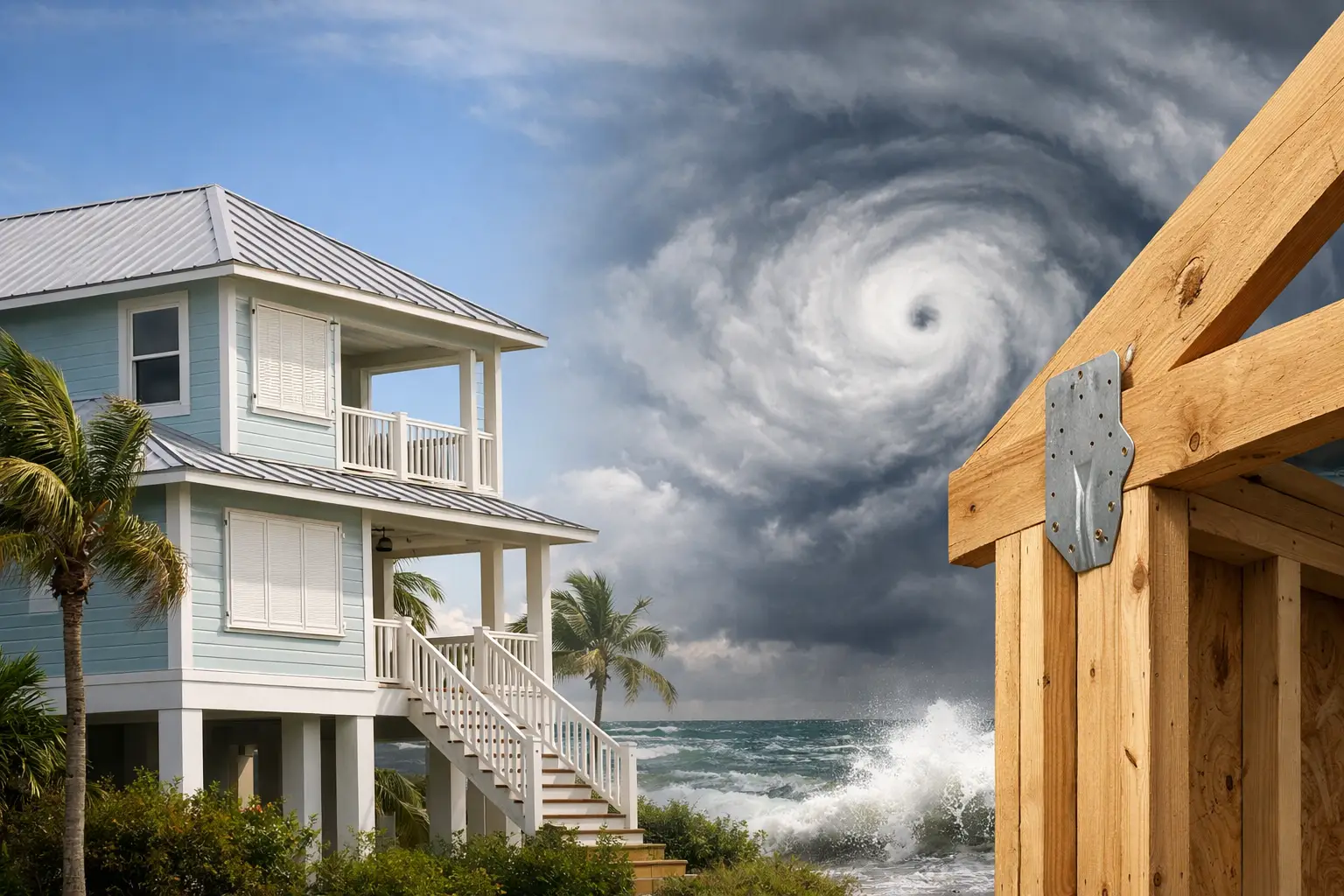
A window can look perfectly sound on a calm morning and still be the weak point of a home during a hurricane. That is why hurricane building codes matter so much for Florida property owners. They set the minimum standards for how exterior openings, roof connections, enclosures, and other building components must perform when wind pressure and flying debris put a structure to the test.
For homeowners along the Treasure Coast, code compliance is not a paperwork detail. It affects your family’s safety, your insurance options, your permitting process, and the long-term value of every exterior upgrade. Whether you are replacing aging windows, adding hurricane shutters, building a screened enclosure, or renovating a commercial property, understanding the basics helps you make a better investment.
What Hurricane Building Codes Are Designed to Do
Florida’s building requirements are built around one central goal: keeping the building envelope intact during severe weather. The building envelope includes the components that separate the interior of your home from the outdoors, especially the roof, windows, doors, garage doors, walls, and openings.
When a window or door fails in high winds, the damage can go far beyond broken glass. Wind can enter the home, rapidly increase internal pressure, and place added stress on the roof and walls. In a serious storm, that pressure change can contribute to major structural damage. Hurricane-rated openings and properly installed storm protection are designed to reduce that risk.
The Florida Building Code establishes statewide standards, but the requirements for a specific property depend on factors such as location, building type, exposure, elevation, and the product being installed. Coastal homes may face higher design pressures than more sheltered properties. A home on open water or near a wide, unobstructed area can have different needs than a similar home within a dense neighborhood.
How Hurricane Building Codes Affect Windows and Doors
Windows and exterior doors are among the most common upgrades affected by hurricane requirements. In much of Florida, exterior openings must either be impact-rated or protected by an approved shutter system or other approved form of opening protection.
Impact windows and doors are tested to withstand specific wind pressures and impact events. They typically use laminated glass that can crack when struck but is designed to remain held together within the frame. That distinction is critical. Standard glass may shatter and leave the opening exposed, while a properly rated impact product helps maintain the barrier between your home and the storm.
However, impact glass is not the only compliant option in every situation. Many homeowners choose standard-rated windows paired with accordion shutters, roll-down shutters, panels, or other approved protection. The right choice depends on your budget, how often the property is occupied, desired daily convenience, architectural style, and long-term plans.
Impact windows provide year-round protection without the need to deploy shutters before a storm. They can also improve security, reduce outside noise, and help manage solar heat. Shutters can be a highly effective, cost-conscious option, especially when existing windows are still in good condition. The key is selecting a tested system and having it professionally installed for the opening and structure involved.
Product Approval Is Not Optional
A product may be marketed as storm-resistant or hurricane-rated, but that alone does not make it suitable for every Florida installation. Code officials and permit reviewers look for documentation showing that a product has been approved and can meet the required design pressure for the project.
Florida product approvals identify the conditions under which windows, doors, shutters, and related products can be installed. These documents address details such as size limits, anchoring methods, fastener spacing, substrate requirements, and allowable pressure ratings. A larger window, for example, may require a different rating or installation method than a smaller unit from the same product line.
This is one reason professional measurement and product selection matter. The correct window is not simply the one that fits the rough opening. It must also be appropriate for the property’s code requirements and installed exactly as its approval calls for.
Why Installation Quality Matters as Much as the Product
Even premium products can fall short if they are installed incorrectly. Hurricane building codes are specific because wind loads do not affect every part of an opening equally. Fastener type, embedment depth, frame condition, waterproofing details, and attachment to the surrounding structure can all affect performance.
A replacement window project may uncover deteriorated framing, damaged concrete, or an opening that was altered during an earlier renovation. Those conditions should be addressed before the new product is secured in place. Trying to fit a code-rated window into an unsuitable opening without correcting the underlying issue can create problems with water intrusion, operation, and storm performance.
The same principle applies to shutters. Accordion shutters must be anchored into an approved structural substrate, not simply attached where it is convenient. Tracks, headers, locking components, and fasteners all need to follow the approved installation method. A shutter system is only as dependable as its attachment to the building.
At Jensen Beach Aluminum & Windows, skilled professionals help property owners choose protection solutions that fit both the structure and the way they live. That includes careful field measurements, premium materials, code-conscious installation, and support after the project is complete.
Permits, Inspections, and Local Requirements
Most window, door, shutter, enclosure, and structural exterior projects require a permit. While this can feel like an added step, permitting protects the property owner by creating a documented review process and requiring inspections at key stages of the work.
The permit application typically identifies the products being installed, their approval information, installation details, and the contractor responsible for the work. Depending on the scope, plans or engineering may also be required. Local building departments enforce the code, so your jurisdiction may have procedures or documentation requirements beyond the statewide baseline.
Do not assume that a previous owner’s installation was permitted or that an older product automatically qualifies under current standards. Older homes often have openings, attachments, and enclosures that were built under earlier codes. A renovation can trigger the need to bring the portion being altered into compliance with current requirements.
For commercial properties and multifamily buildings, the review can be more involved. Occupancy type, building height, common-area components, accessibility requirements, and structural conditions may all affect the project. Experienced planning before materials are ordered can prevent expensive delays later.
Special Considerations for Coastal Florida Homes
Florida’s coastal communities face a combination of high winds, wind-driven rain, salt air, intense sun, and humidity. Building code is the starting point, but long-term performance often requires looking beyond the minimum standard.
Salt exposure can corrode hardware and fasteners over time. Quality aluminum systems, appropriate coatings, stainless or otherwise approved fasteners where required, and routine maintenance can make a meaningful difference. This is especially true for shutters, screen enclosures, awnings, carports, and pool cages, where connections and moving parts are exposed to the elements year after year.
Water management also deserves close attention. Hurricane rain can be driven sideways at high pressure, finding gaps that ordinary rain never reaches. Proper flashing, sealing, drainage paths, and finish work help protect the walls and interior spaces around windows and doors. A project that looks finished on installation day should also be prepared to handle Florida weather months and years later.
Outdoor living structures have their own code considerations. Pergolas, louvered roof systems, awnings, sunrooms, and screen enclosures may require engineering based on size, attachment method, roof design, and wind exposure. Some systems are designed to be removed or secured before a storm, while others are engineered as permanent structures. There is no one-size-fits-all answer.
Smart Questions to Ask Before You Upgrade
Before signing a contract, ask whether the proposed product is approved for your location and opening size, whether the quoted installation includes permitting, and whether any framing or substrate repairs are needed. You should also ask how the system performs in high winds and what steps you will need to take before a hurricane if the product is not permanently impact-rated.
For shutters, clarify how quickly they can be deployed and who in the household can operate them. For windows and doors, ask about glass type, frame construction, energy performance, and maintenance needs. A coastal property upgrade should balance storm protection with everyday comfort, appearance, and ease of use.
Price matters, but the lowest bid may not account for product approvals, permit coordination, structural preparation, or the installation details that support code compliance. A clear, complete proposal is often a better measure of value than a number alone.
Plan Before Storm Season, Not During It
Waiting until a named storm is approaching can limit product availability, contractor schedules, and permit processing time. Planning early gives you time to compare options, understand the scope of work, and select the protection that makes sense for your property.
Your home should be a place where you feel prepared when the forecast changes. Start with a professional evaluation of your windows, doors, shutters, and exterior structures, then make improvements that protect what you have worked hard to build.