


A screened lanai can make the difference between an outdoor area you admire and one you use every day. When comparing retractable versus fixed screens, Florida property owners are usually balancing three priorities: open views, reliable insect protection, and a system built to handle regular coastal weather exposure.
The right choice is not simply a matter of appearance. It depends on how you use the space, whether the opening needs to remain accessible, the size of the area, and the level of wind, sun, and privacy control you expect. A professional evaluation helps ensure the screen system suits both the structure and the way you live.
Retractable Versus Fixed Screens: The Core Difference
Fixed screens stay in place. They are commonly installed in pool cages, patios, lanais, porches, windows, and permanent outdoor enclosures. Once installed, they provide continuous separation between your living area and insects, leaves, debris, and other outdoor nuisances while still allowing fresh air to pass through.
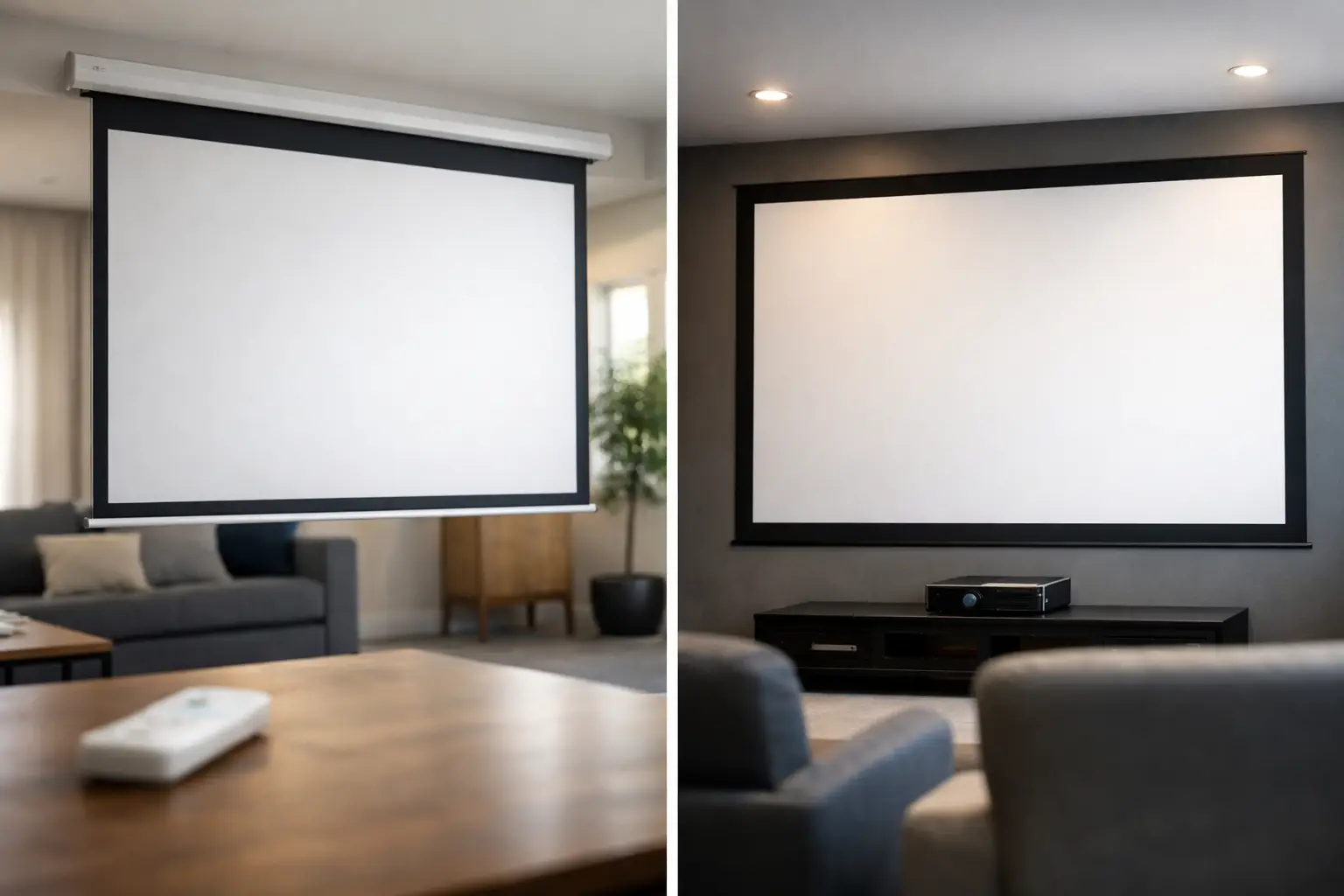
Retractable screens operate when you need them and disappear when you do not. Depending on the system, the screen may roll vertically into a housing above the opening or pull horizontally across a doorway, patio opening, or large outdoor living area. This makes retractable options especially appealing for homeowners who want to preserve wide-open views and easy access to a patio, pool deck, or outdoor kitchen.
Both can be premium, long-lasting improvements when selected carefully and installed with precision. The better fit comes down to function.
When Fixed Screens Are the Better Investment
Fixed screens are the practical choice when an area needs full-time protection. For many Florida homes, that means a pool enclosure, front entry, covered porch, lanai, or sunroom where bugs and blowing debris can quickly limit comfort.
Because fixed screens are permanently secured within a frame, they are a dependable solution for enclosing a defined area. They do not need to be raised, lowered, or stored away before use. This straightforward design also means fewer moving components and less ongoing adjustment over time.
Fixed screens are often a strong value for large areas. Enclosing a patio or rescreening a pool cage with quality mesh can create a consistently usable outdoor space without the added cost of motorized operation, tracks designed for movement, or screen housings. Homeowners can select from mesh options that prioritize visibility, insect control, privacy, pet resistance, or solar shading.
Ideal applications for fixed screens
A fixed system typically makes sense when your goal is to create a permanent enclosure rather than flexible coverage. It is well suited for pool cages and lanais where insects are a daily concern, as well as porch openings that do not need to function as a main passageway.
It is also a good solution for property owners who prefer low-maintenance functionality. A properly installed fixed screen enclosure provides continuous airflow and protection without requiring daily operation. If you want the area screened every time you walk outside, fixed screens usually deliver the simplest answer.
Where Retractable Screens Stand Out
Retractable screens offer flexibility that fixed panels cannot. They are designed for openings you may want to leave fully open at times, including French doors, sliding glass door openings, garage conversions, covered patios, and expansive outdoor living structures.
For example, a homeowner with a louvered roof system or pergola may want shade and insect control during dinner, then an unobstructed view of the yard or water when guests arrive. A retractable screen allows the structure to remain open by default while giving you the option to create a more comfortable boundary in seconds.
Motorized retractable screens are especially useful across wide openings. With a remote control, wall switch, or compatible smart controls, the screen can lower smoothly when the sun is low, mosquitoes become active, or a brief rain shower begins to blow toward the patio. Some systems can also provide a useful level of privacy and solar glare reduction.
The benefit of preserving your view
On the Treasure Coast, a great view is often part of a property’s value. Whether your home overlooks a pool, landscaped yard, golf course, river, or coastal setting, permanent framing across a large opening may not be your first choice.
A retractable system keeps the screen tucked away when conditions are pleasant. That creates a cleaner architectural look and allows doors, patios, and entertainment spaces to feel more connected to the outdoors. The trade-off is that retractable screens have more mechanical components and require proper operation and periodic care to continue performing as intended.
Consider Florida Weather Before You Decide
Florida screens must contend with intense UV exposure, salt air near the coast, humidity, heavy rain, and wind-driven debris. Product quality and installation details matter as much as the screen style itself.
Fixed screen systems use aluminum framing and mesh selected for the application. In a pool cage or lanai, the frame, fasteners, screen spline, and mesh all contribute to the enclosure’s long-term performance. A rescreen may be sufficient when the framework remains sound, while corroded or damaged structural components may call for a more comprehensive repair or replacement plan.
Retractable systems need durable housings, guided tracks, reliable tensioning, and materials suited to outdoor exposure. A screen that operates beautifully in a sheltered interior opening may not be appropriate for a large, exposed coastal patio. Skilled professionals can assess the opening, mounting surface, drainage considerations, and wind exposure before recommending a system.
Do not assume that a standard retractable screen provides hurricane protection. Most insect and shade screens are not intended to replace approved storm shutters, impact windows, impact doors, or other code-compliant hurricane protection. If storm readiness is a priority, discuss the screen system alongside your property’s broader protection plan.
Cost, Maintenance, and Long-Term Value
Fixed screens generally have a lower initial cost, particularly for permanent enclosures or straightforward openings. Their value comes from everyday usability: fewer bugs, less debris, more fresh air, and more time spent on the patio or lanai. Maintenance usually involves rinsing the mesh, checking for tears, and addressing loose spline or damaged panels before a small issue spreads.
Retractable screens typically cost more because they involve housings, tracks, operating hardware, and, in many cases, motors and electrical work. The price can vary substantially based on the width and height of the opening, fabric selection, manual or motorized operation, and whether the surrounding structure needs preparation.
Their value is flexibility. A retractable screen can help one outdoor area serve several purposes: open-air entertaining, shaded dining, insect control, privacy, and filtered sunlight. For homeowners who use a patio frequently and want a polished, adaptable result, that convenience can justify the added investment.
Neither option should be selected solely on the lowest price. A poorly fitted screen can sag, bind, tear, or leave gaps that allow insects inside. Premium materials and precision installation protect the appearance and function of the investment over time.
Questions That Help Make the Choice Clear
Start by considering how often you want the opening screened. If the answer is nearly all the time, a fixed screen enclosure or permanent panel is likely the more efficient solution. If you only need coverage at certain times of day or during specific activities, retractable screens offer greater control.
Next, consider access. Doorways and wide pass-throughs often benefit from retractable systems because the screen can move out of the way. A pool cage wall or a porch perimeter, on the other hand, generally benefits from fixed screening because the area needs continuous coverage.
Finally, think about the exposure and condition of the existing structure. Coastal properties need products and installation methods selected for their environment. A qualified contractor should measure the opening, inspect the mounting surfaces, explain screen material options, and provide a clear recommendation based on your goals rather than a one-size-fits-all answer.
Choose a System Built Around Your Outdoor Space
The best screen solution should make your Florida property more comfortable without creating unnecessary maintenance or compromising the way you enjoy the view. Fixed screens provide dependable, always-on enclosure protection. Retractable screens give patios, doors, and large openings the flexibility to shift between open-air living and screened comfort.
Jensen Beach Aluminum & Windows helps homeowners and property managers evaluate screen options with the same focus on quality materials, skilled installation, and lasting service applied to every exterior improvement project. A thoughtful on-site assessment can turn a difficult choice into a screen solution that fits your structure, your lifestyle, and the demands of the Florida coast.