


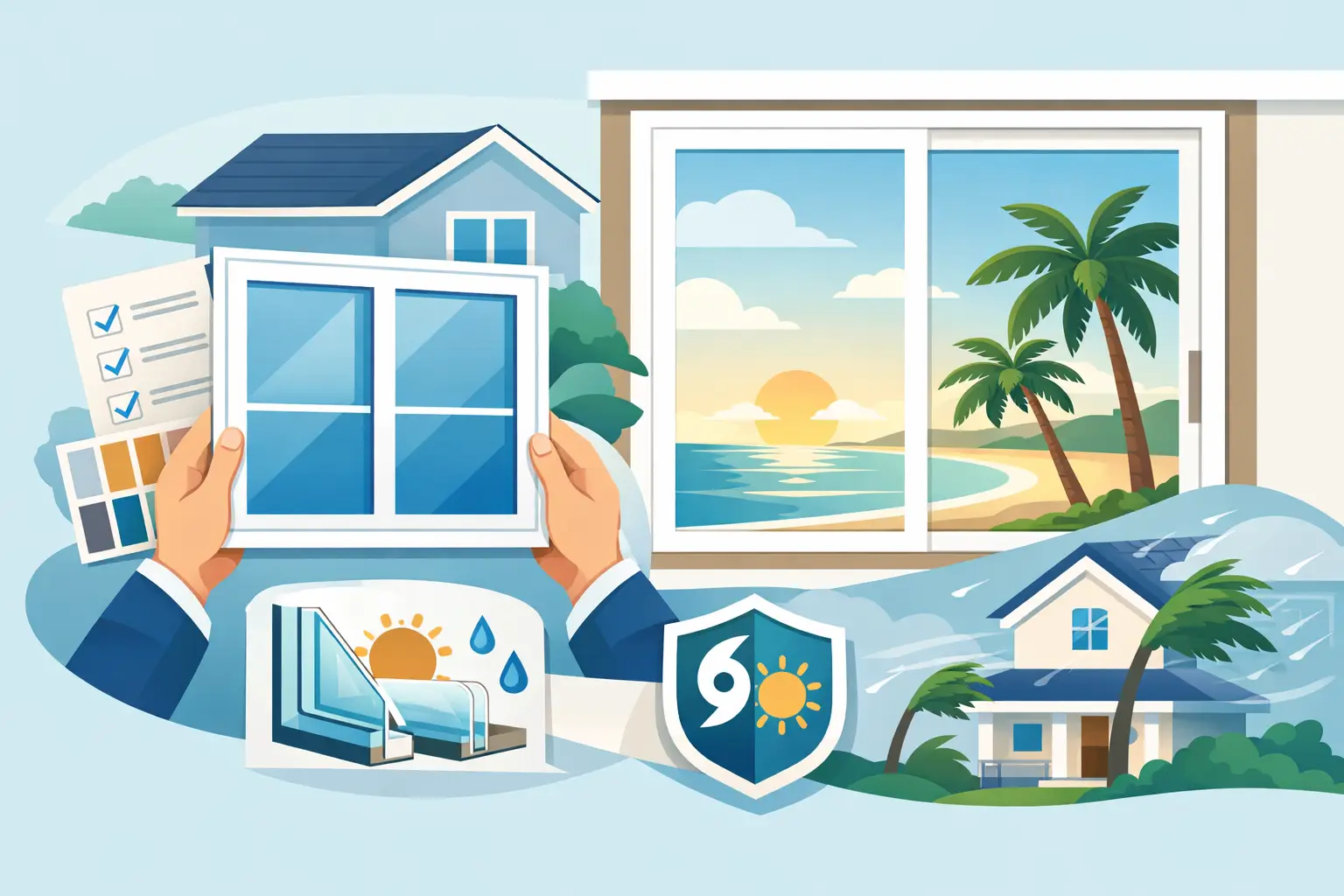
If your windows stick, leak, fog between panes, or rattle when summer storms roll in, replacing them is not just a cosmetic upgrade. For Florida property owners, it is a decision that affects storm protection, energy efficiency, maintenance, comfort, and long-term value. This replacement window buying guide is built for homeowners and property managers who need to make a smart purchase, not just a fast one.
The right window can lower heat gain, improve everyday comfort, reduce outside noise, and strengthen your property against wind and weather. The wrong one can leave you with callbacks, performance issues, and a product that looks fine on day one but fails under real coastal conditions. That is why it pays to evaluate more than style and price.
What matters most in a replacement window buying guide
In Florida, windows do more than let in light. They are part of the building envelope, and they play a major role in how your property handles heat, humidity, salt exposure, heavy rain, and hurricane risk. A good buying decision starts with your priorities.
For some owners, impact protection is the main concern. For others, the priority is energy savings, cleaner sightlines, easier operation, or replacing aging units without changing the look of the home. Most projects involve a mix of goals, which is why there is rarely a one-size-fits-all answer.
A street-facing living room may benefit from larger glass areas and better noise control. A rental property may call for durable, low-maintenance frames that hold up well over time. A waterfront home may justify a stronger focus on corrosion resistance and premium glass packages. The best choice depends on where the property is located, how it is used, and what problems the current windows are causing.
Start with the right frame material
Frame material affects appearance, maintenance, durability, and cost. In Florida, it also affects how well the window holds up in heat, moisture, and salt air.
Aluminum remains a strong option for many coastal applications because it is durable, clean-lined, and well suited to larger openings. It is often chosen for contemporary aesthetics and structural strength. The trade-off is that not all aluminum windows perform the same way thermally, so product quality and glass selection matter.
Vinyl is popular because it offers good energy performance and low maintenance at a competitive price. It can be an excellent fit for many homes, especially when the product is well made and professionally installed. The main consideration is quality. Lower-grade vinyl products may not perform as well under intense sun and long-term exposure.
In some projects, frame color and profile width matter almost as much as the material itself. If you are trying to preserve curb appeal or match existing architecture, those details should be part of the conversation early, not after the quote is written.
Glass options can change the entire result
Many buyers focus on the frame and overlook the glass package, but the glass does a great deal of the work. In Florida, low-E coatings and insulated glass can help reduce solar heat gain and improve interior comfort, especially in rooms that get strong afternoon sun.
Impact-resistant glass is one of the biggest decision points. In storm-prone areas, impact windows can provide protection from windborne debris while also improving security and reducing noise. They are often a practical investment for coastal homes and commercial properties because they combine several benefits in one product.
That said, not every property needs the same level of protection in every opening. Budget, code requirements, building type, and exposure all matter. Some owners are replacing every window at once. Others are phasing the project over time. A knowledgeable contractor should help you weigh what is required, what is recommended, and what makes sense for your property goals.
Know the ratings before you compare prices
A lower number on a quote does not always mean lower overall cost. If one product is built for a very different performance level than another, the comparison is not equal.
Ask about design pressure ratings, impact ratings, energy performance, and code compliance. In Florida, these specifications matter. A window should be appropriate for the structure, location, and exposure conditions. If you are near the coast or in a high-wind area, you need products that are engineered for that environment.
This is where many buying decisions go off track. A buyer sees two windows that appear similar, but one is built with stronger components, better glass, and higher tested performance. The upfront price may be higher, but the long-term value can be far better if it means fewer issues and better protection.
Style should support function
Single-hung, horizontal roller, casement, picture, and specialty shape windows each bring different advantages. The right style depends on ventilation needs, sightlines, access, and the age and layout of the building.
Single-hung windows are common and familiar, but they are not the answer for every opening. Casement windows can offer excellent ventilation and a tighter seal when closed. Picture windows maximize views and daylight but do not open. Horizontal rollers may work well in spaces where vertical operation is less convenient.
This is one of those areas where it depends. If your goal is to improve airflow in frequently used rooms, an operable window style may be worth prioritizing. If your property overlooks water or landscaping, fixed glass may deliver the visual upgrade you want. Good design balances appearance with daily use.
Installation quality is not optional
Even a premium window can underperform if the installation is rushed or imprecise. Proper measuring, opening preparation, fastening, sealing, and finishing all affect the outcome. That is especially true in Florida, where wind, water intrusion, and movement over time can expose weak installation work.
When evaluating contractors, ask who is performing the installation, what experience they have with replacement projects in your area, and how the company handles service after the job is complete. An experienced local installer understands how coastal conditions affect materials and detailing.
This also matters because replacement is not always as simple as removing one unit and setting another in place. Older homes may have hidden damage, outdated configurations, or structural conditions that need to be addressed during the project. Skilled professionals know how to manage those variables without cutting corners.
Budget for value, not just for the bid
Window pricing varies widely based on size, style, frame material, glass package, ratings, and installation complexity. Projects that include impact glass, custom sizes, or difficult access will naturally cost more than straightforward replacements.
The key is to understand what you are buying. A good proposal should clearly outline the product specifications, installation scope, warranty information, and any related work. If a quote seems unusually low, it is worth asking what has been excluded or simplified.
Long-term value comes from a combination of product quality and professional installation. Better windows can improve comfort, reduce strain on your cooling system, and help protect the property during severe weather. They can also reduce recurring maintenance headaches that come with aging or poorly fitted units.
Questions to ask before you sign
A reliable contractor should be able to explain why a specific product fits your property, not just tell you it is popular. Ask whether the windows are suitable for your wind zone, whether impact resistance is included, what kind of glass is specified, and what warranty coverage applies to both product and labor.
You should also ask about timelines, permitting if applicable, and what the installation process will look like inside and outside the property. For occupied homes and active commercial spaces, logistics matter. A professional team plans for protection, cleanliness, communication, and follow-through.
For Florida owners, local experience should carry real weight. Coastal conditions are demanding, and window performance depends on making choices that fit the region. Companies like Jensen Beach Aluminum & Windows understand that buying replacement windows here is about more than appearance. It is about protection, durability, and confidence in the finished work.
A replacement window buying guide should lead to the right fit
The best window for your property is the one that meets your structural needs, supports your comfort goals, fits the architecture, and is installed with precision. There is no benefit in overspending on features you do not need, and there is real risk in underbuying for a coastal environment.
Take the time to compare products carefully, ask direct questions, and work with professionals who know Florida construction. A good replacement project should leave you with windows that look right, perform well, and stand up to the conditions your property faces year after year.
When you make the decision with long-term performance in mind, you are not just replacing old windows. You are investing in stronger protection, better comfort, and a property that is better prepared for whatever the season brings.